Africa Link Award

Africa Link Award

FEPA AWARDED

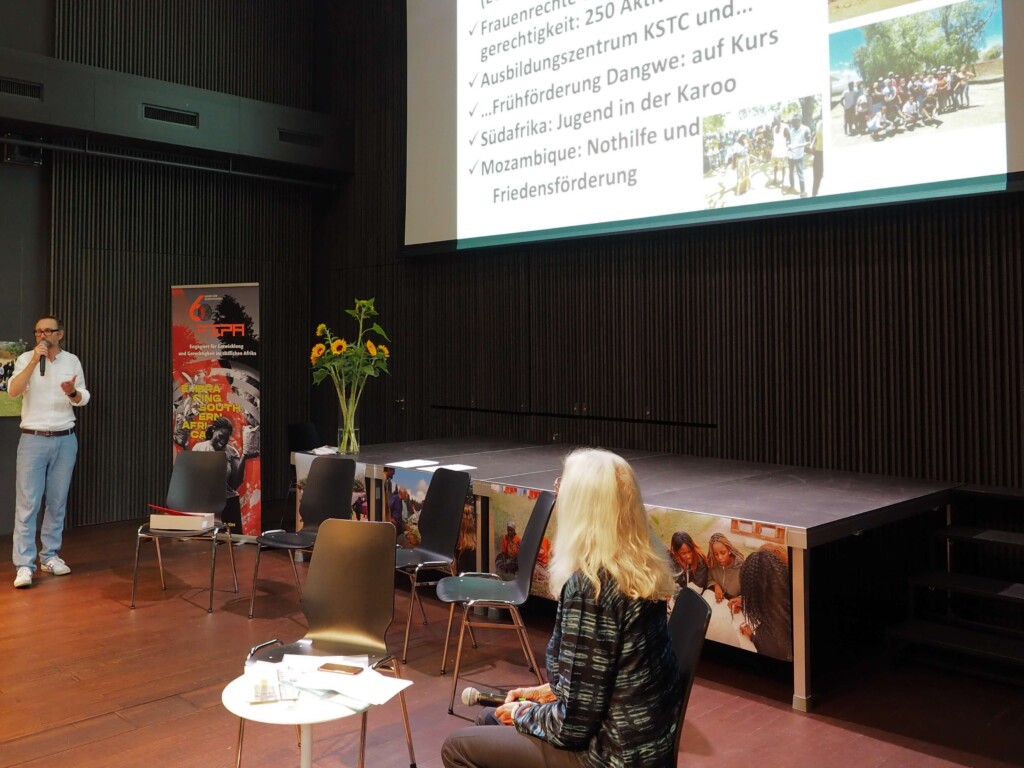
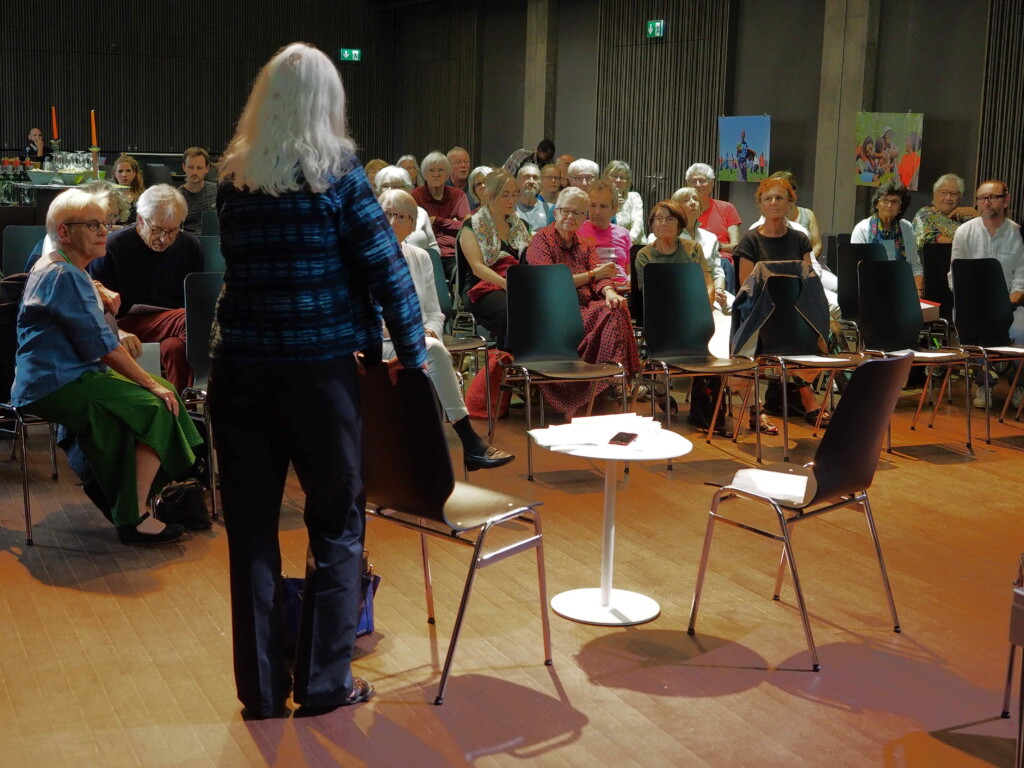
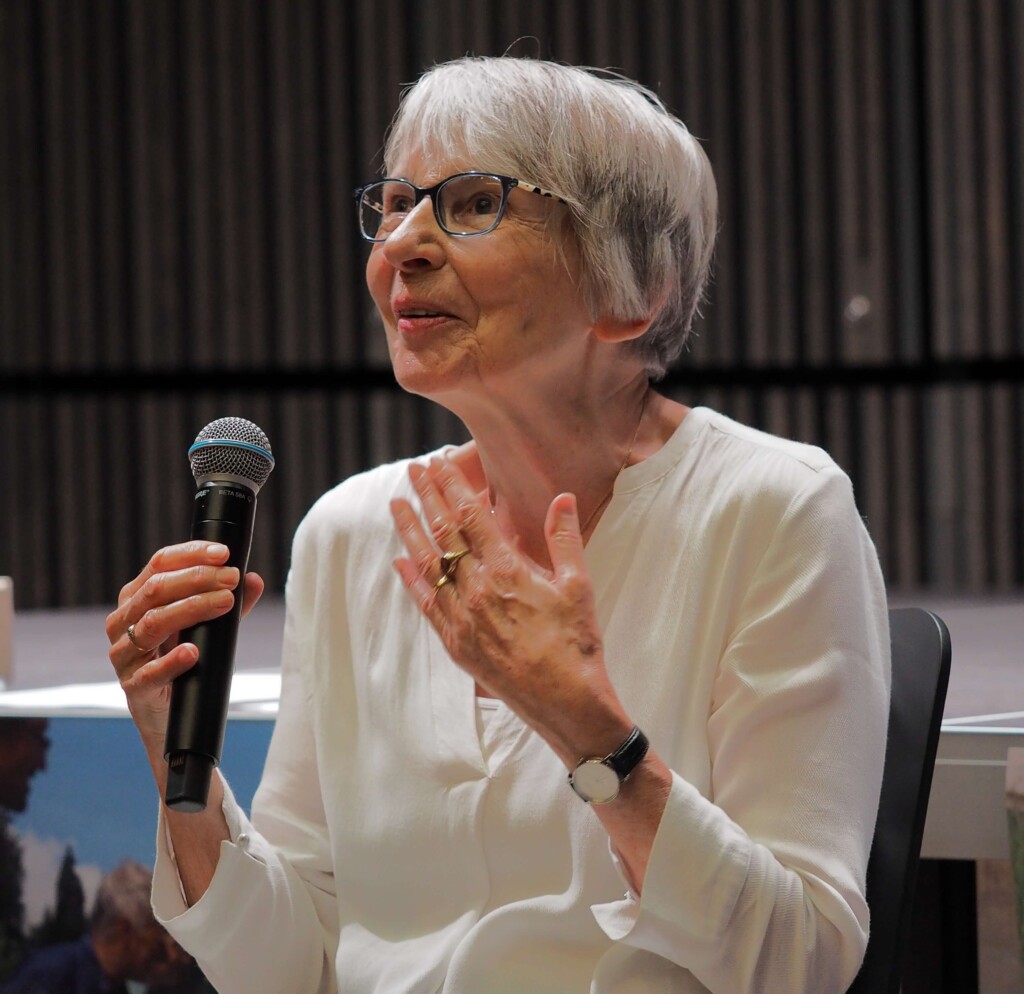
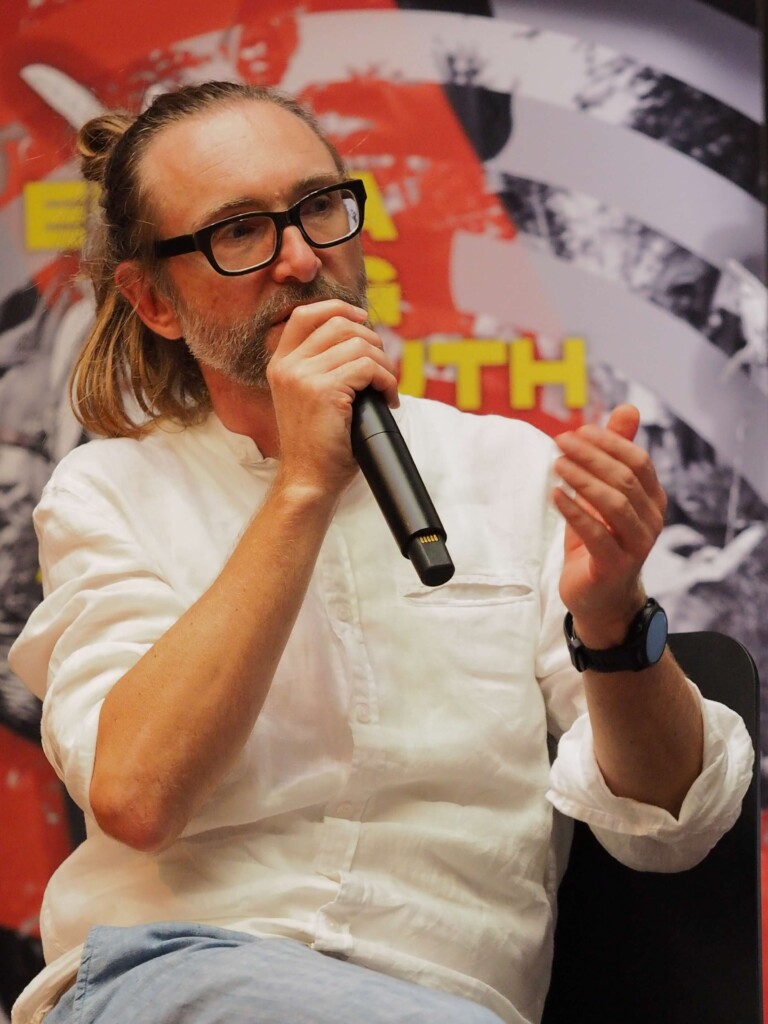
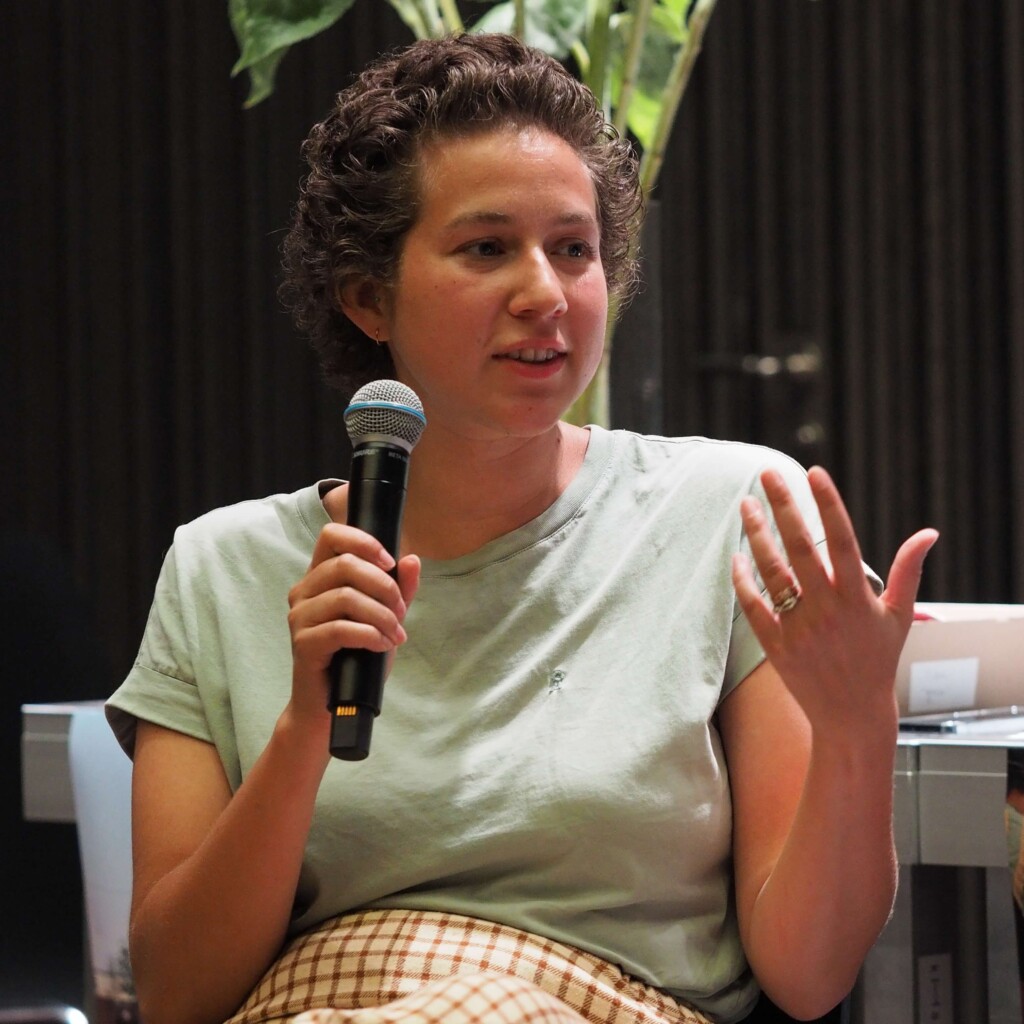
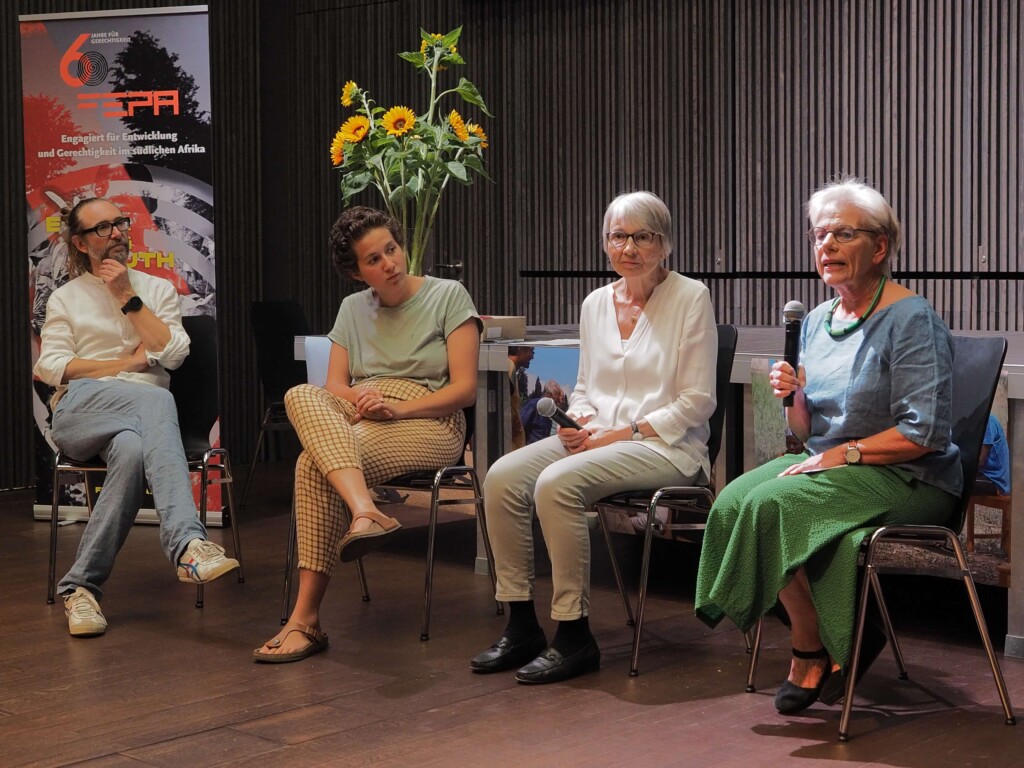
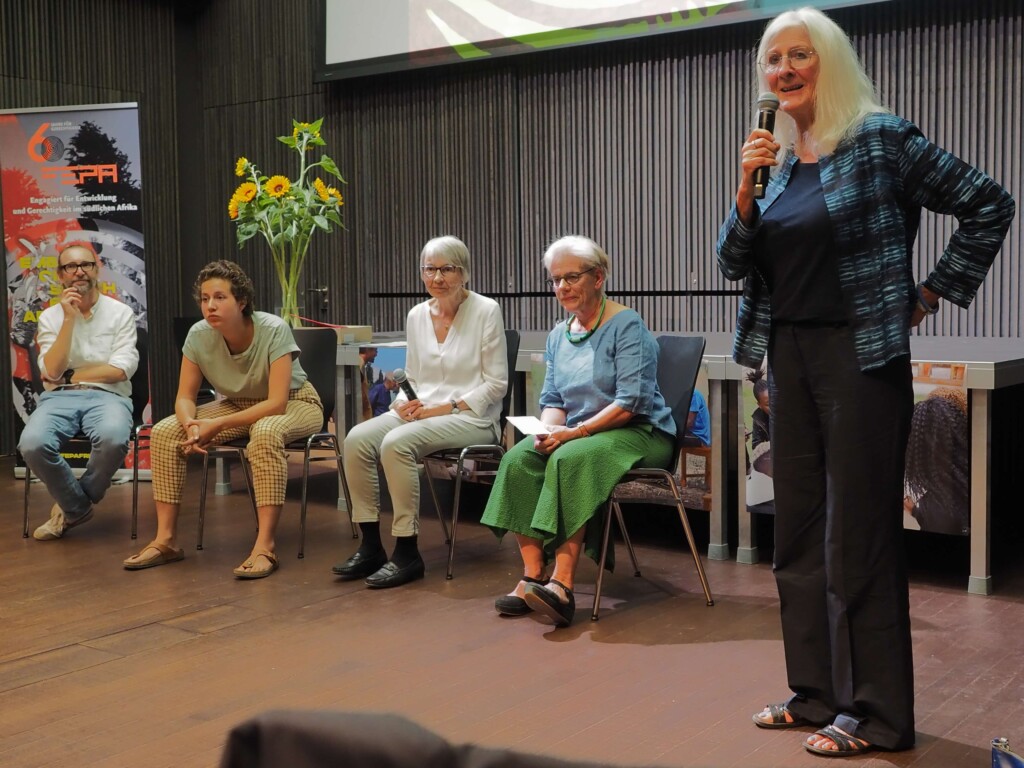
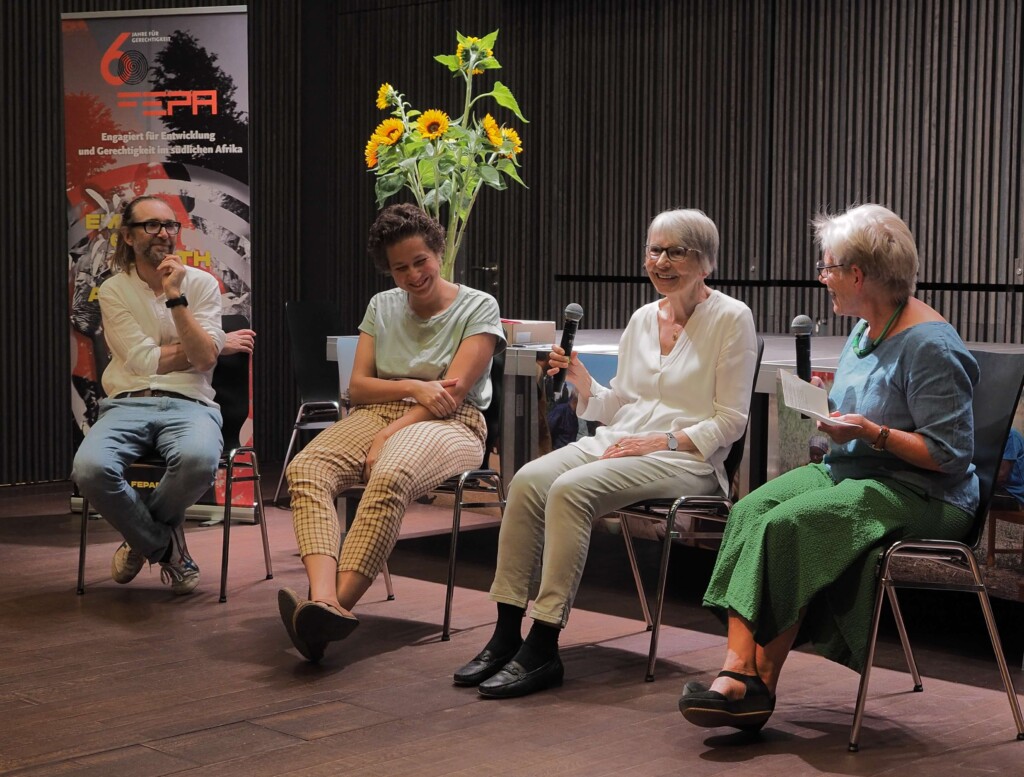
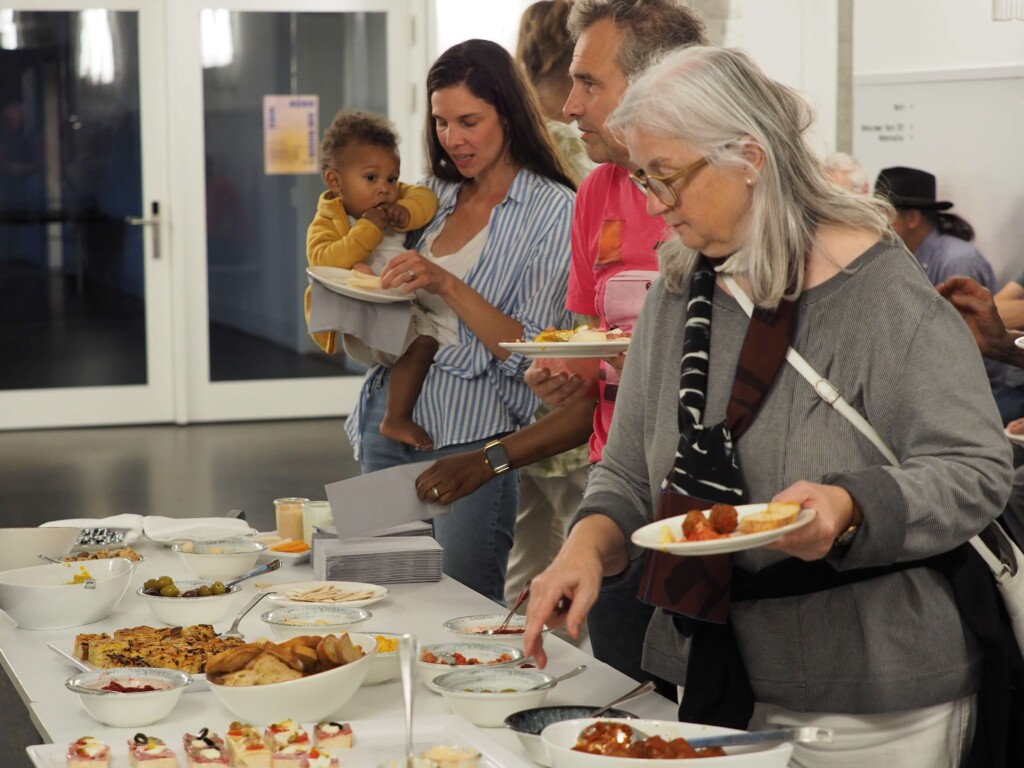
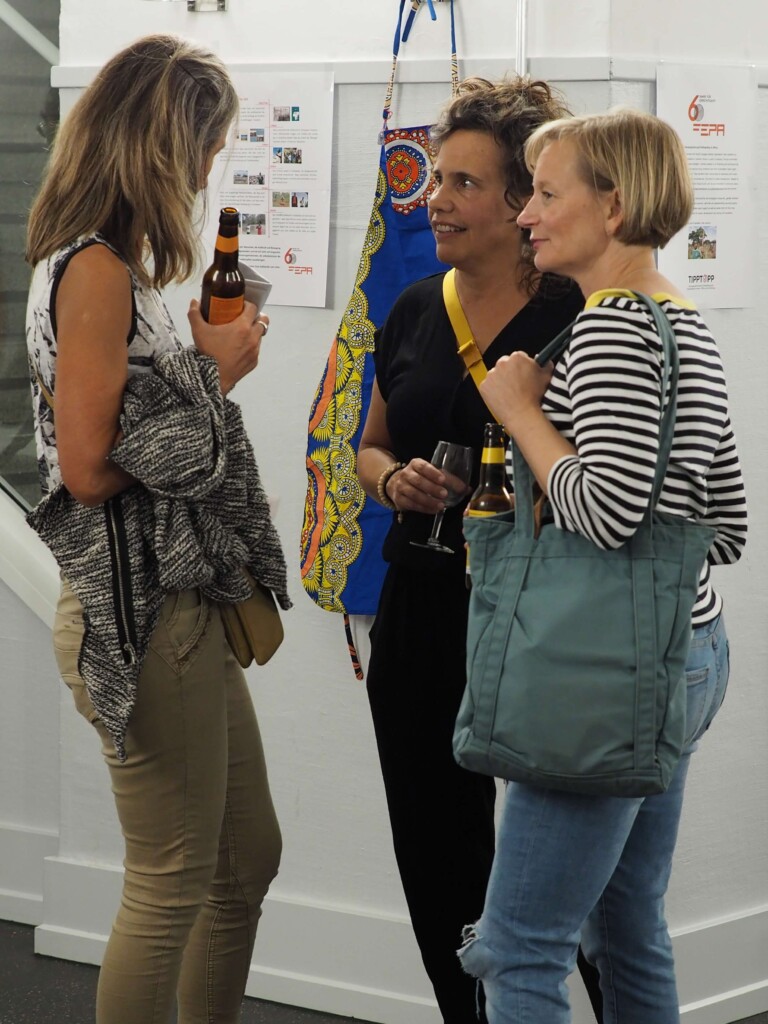
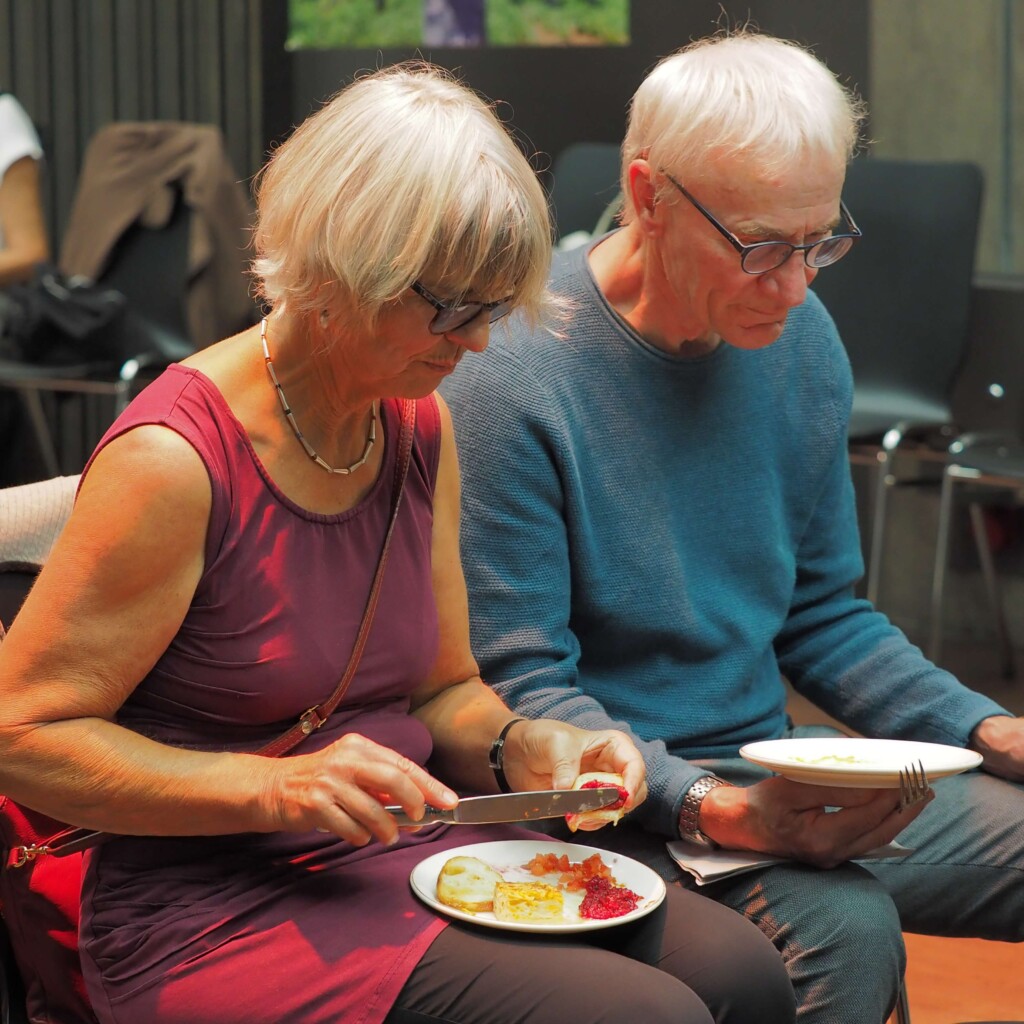
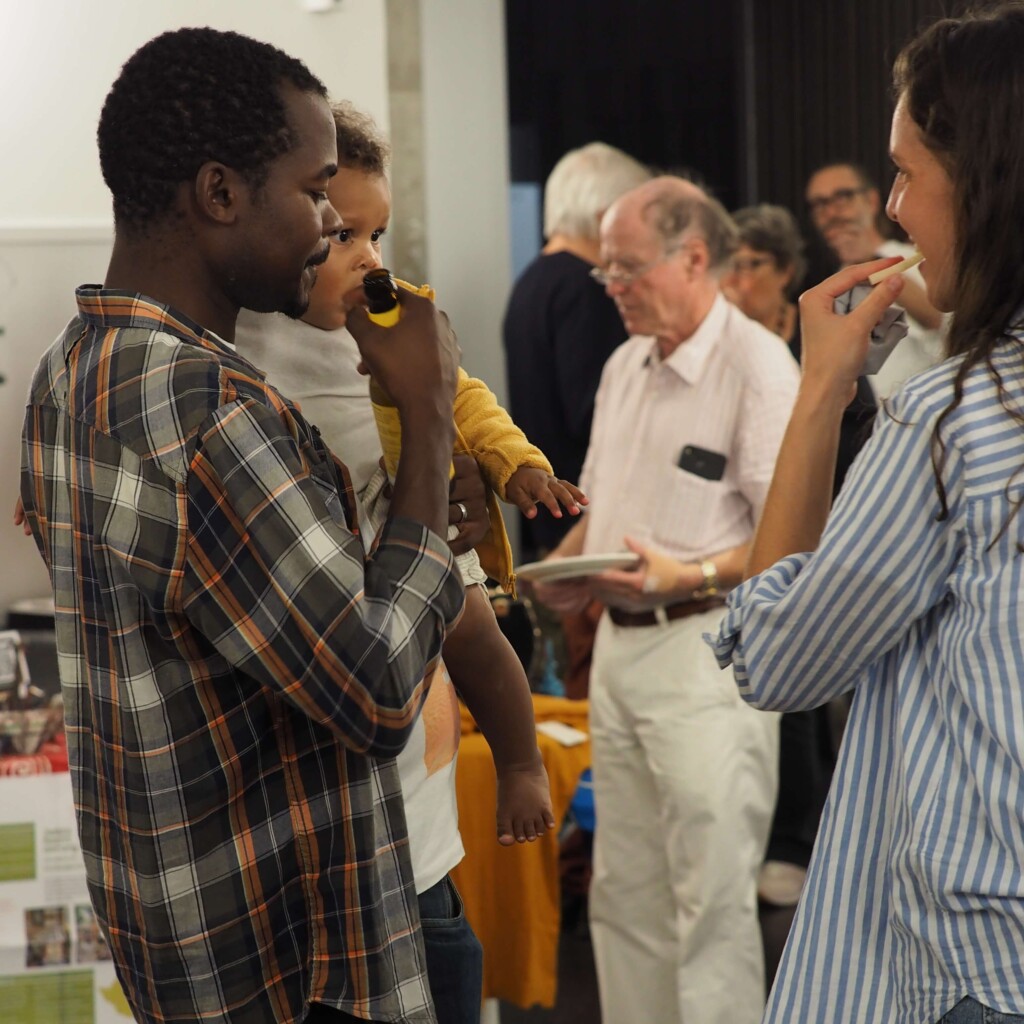
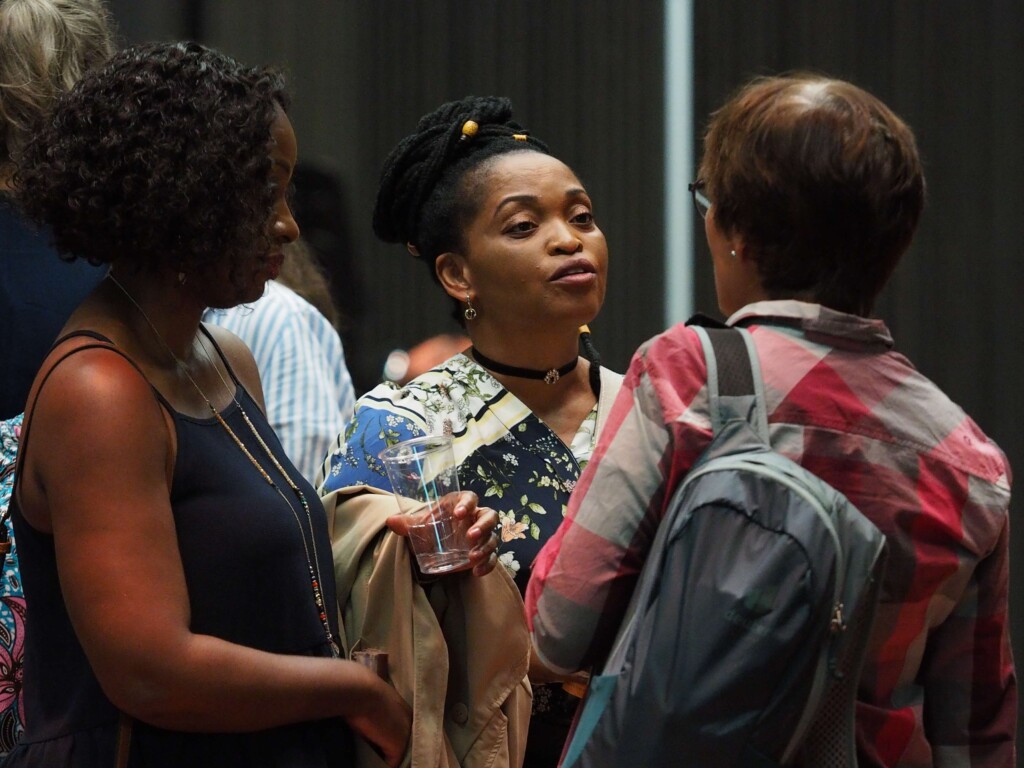
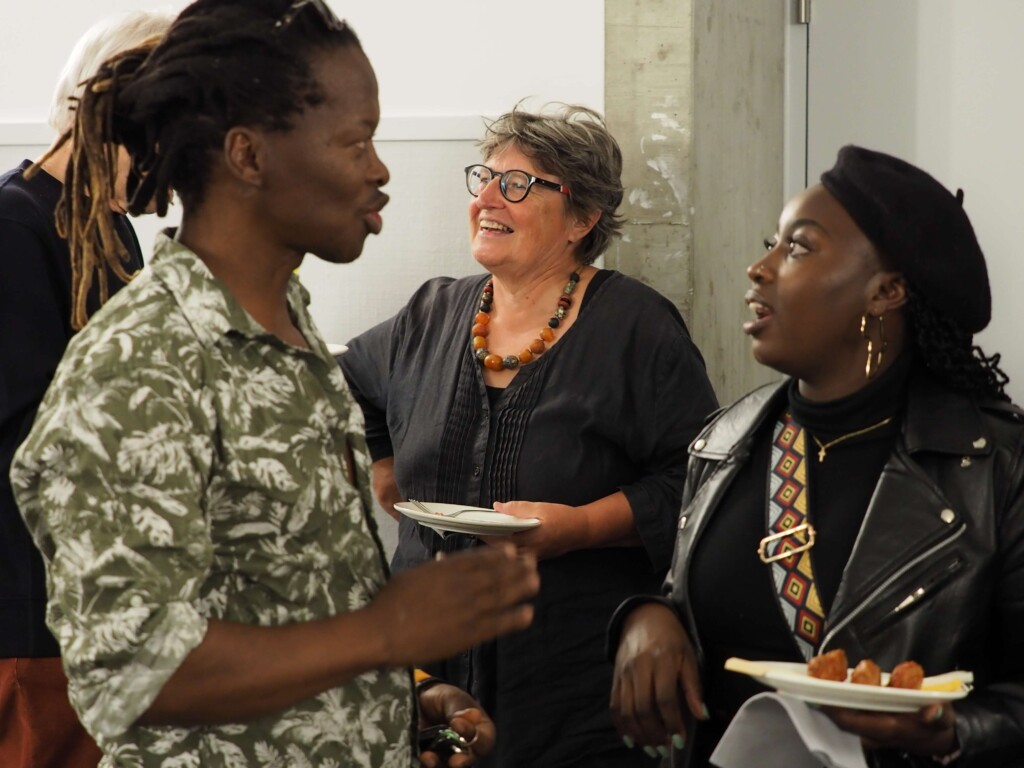
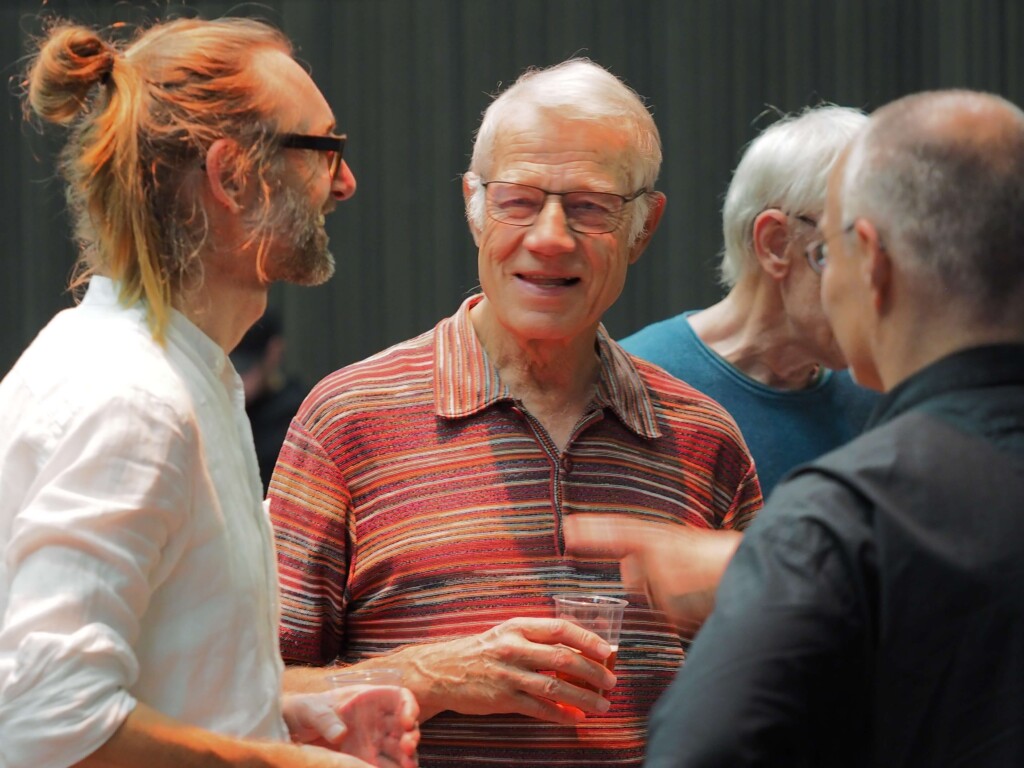
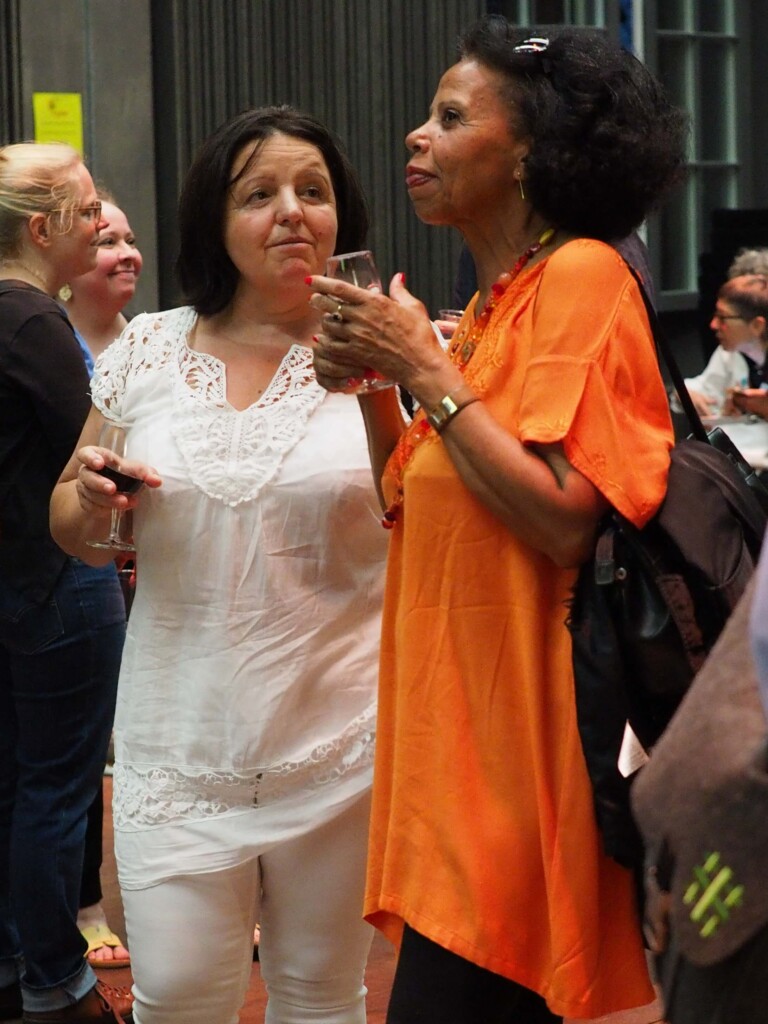
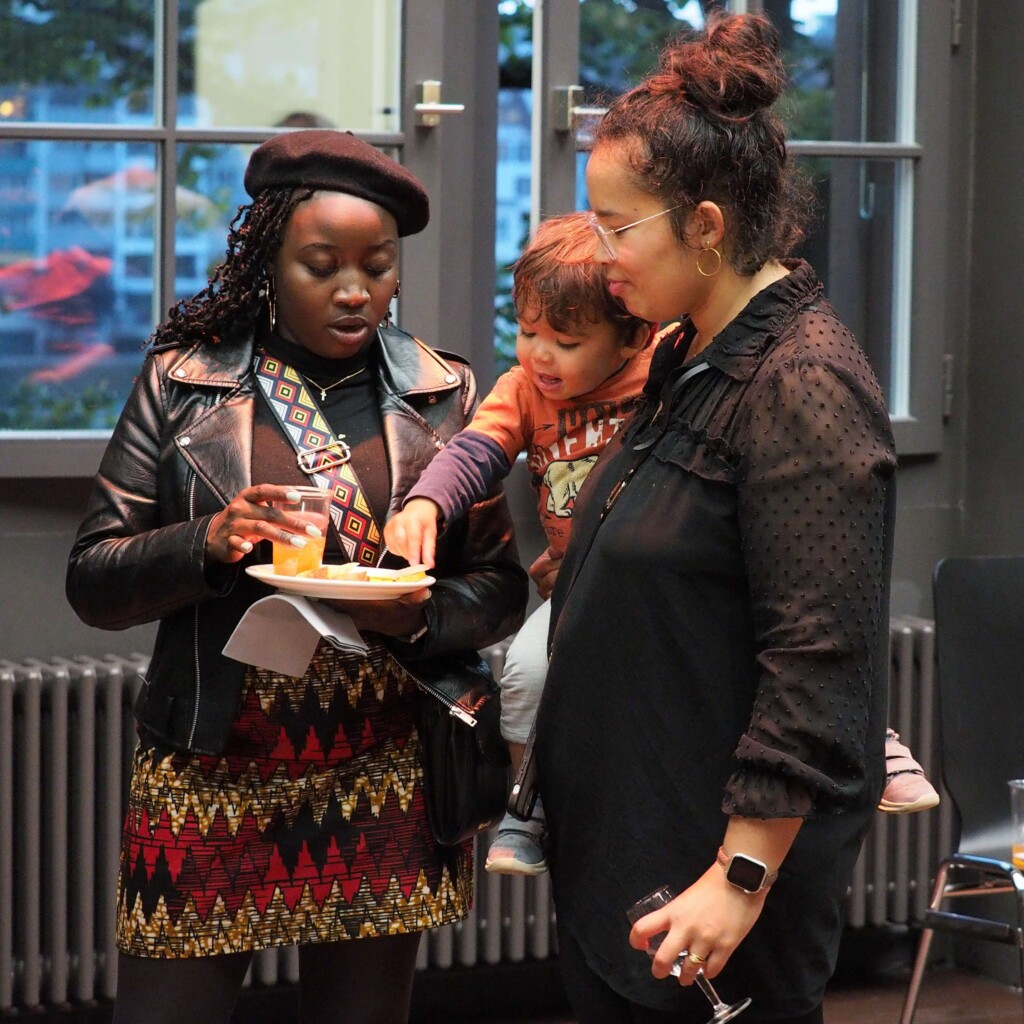
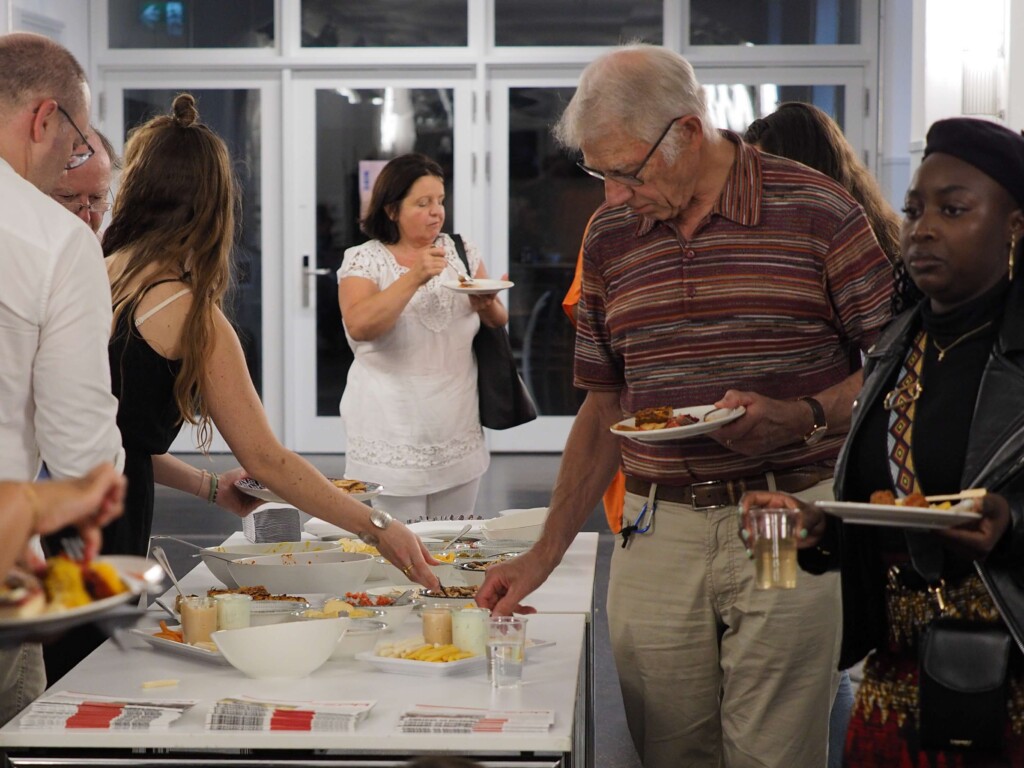
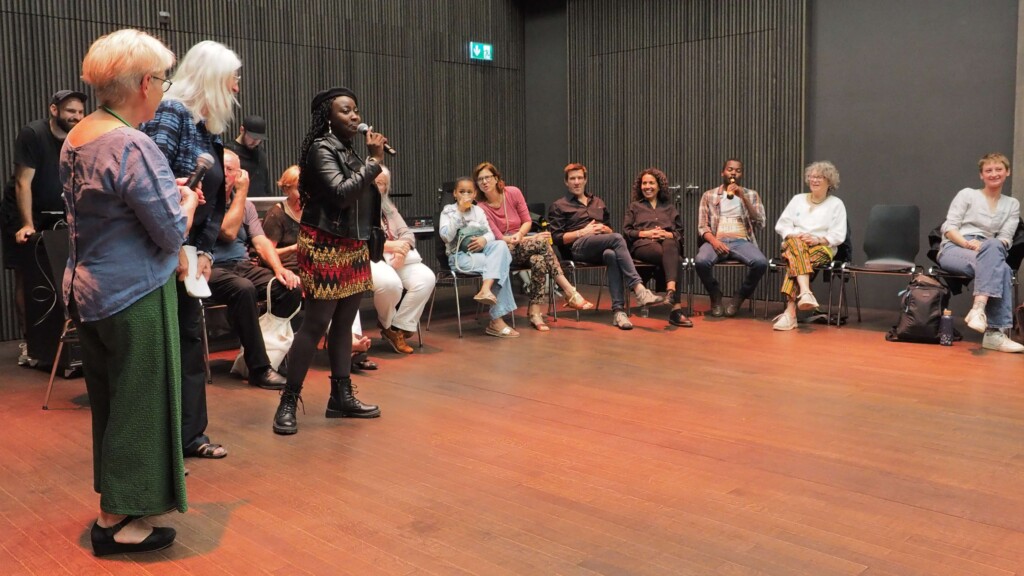
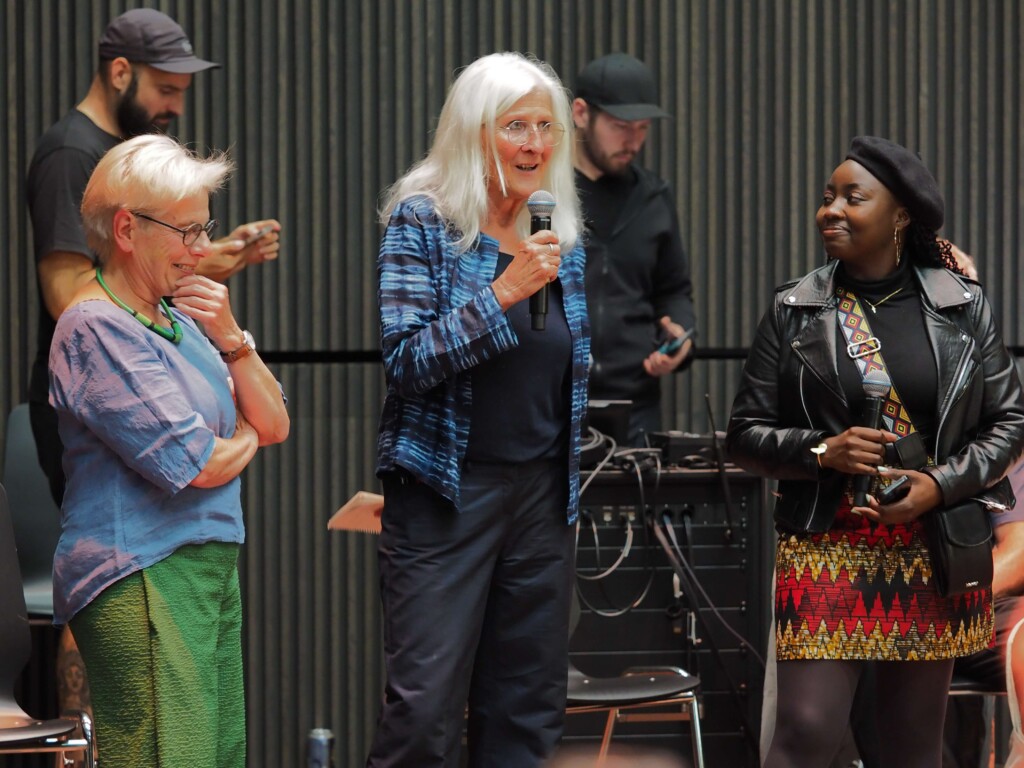
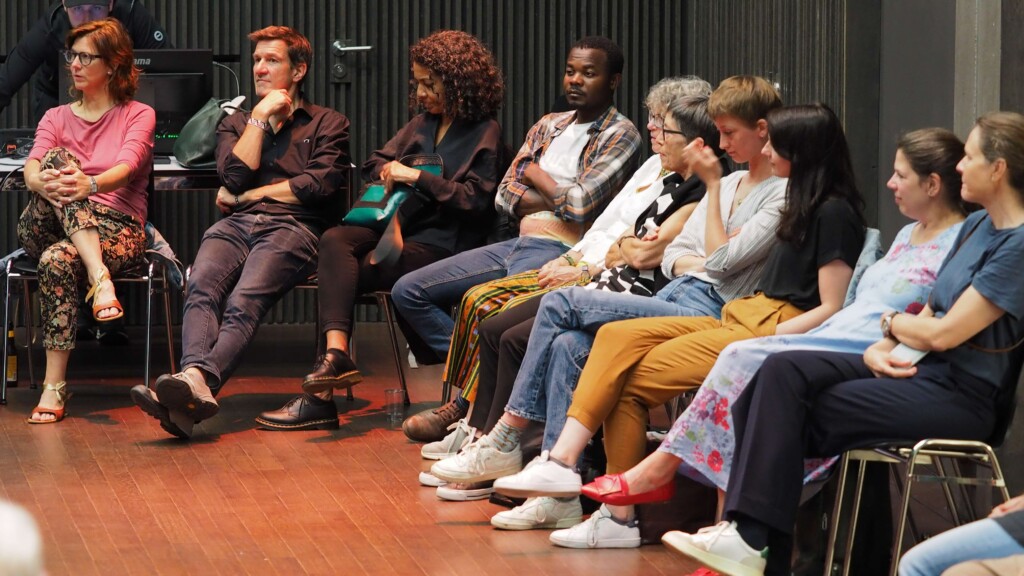
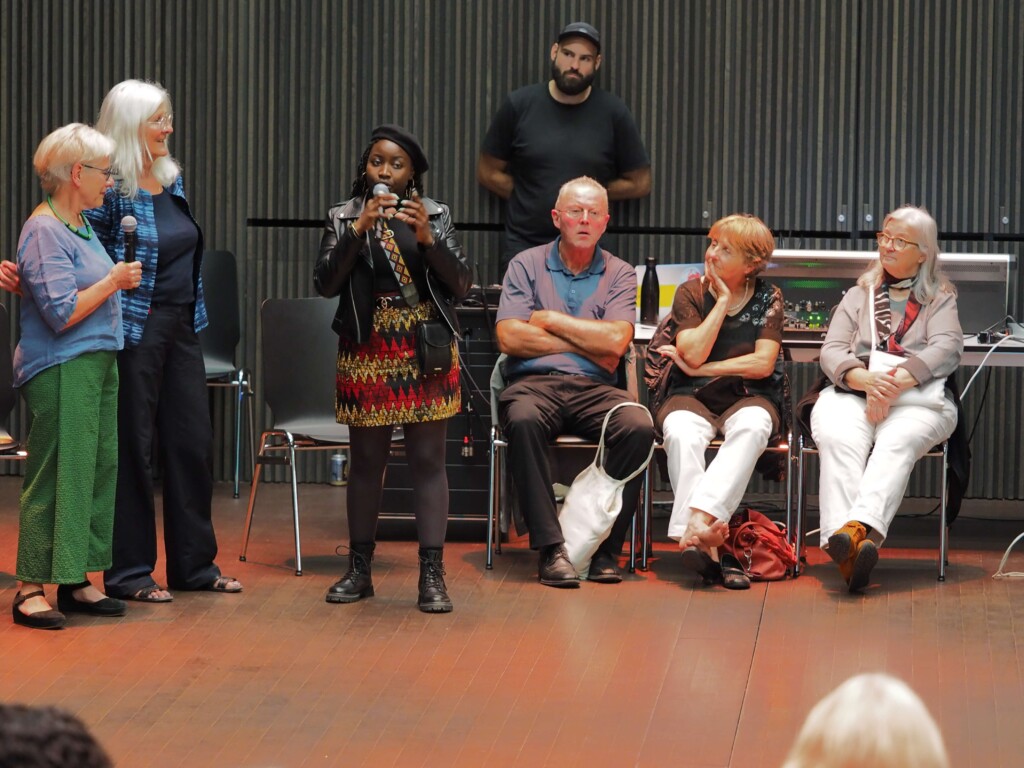
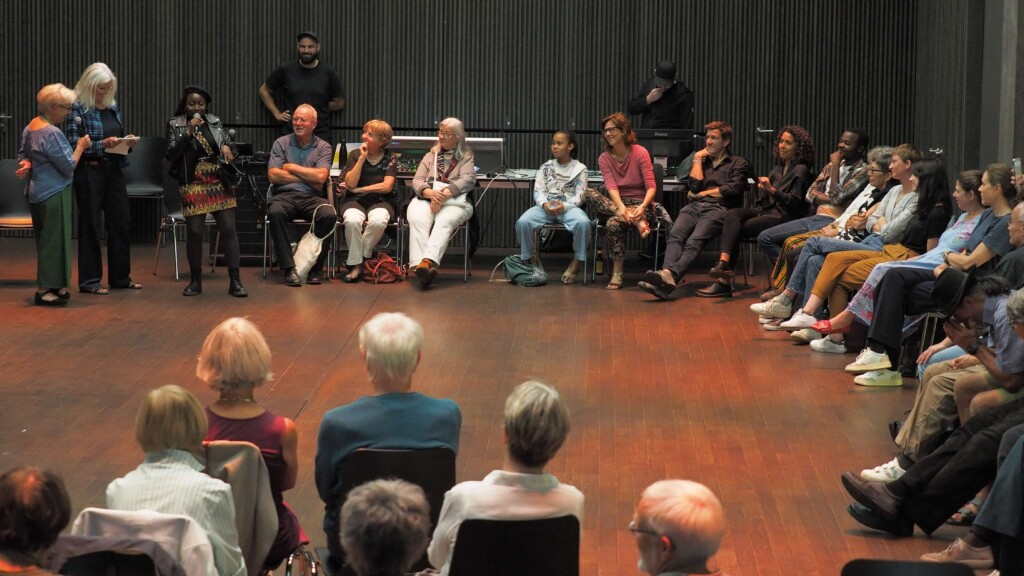
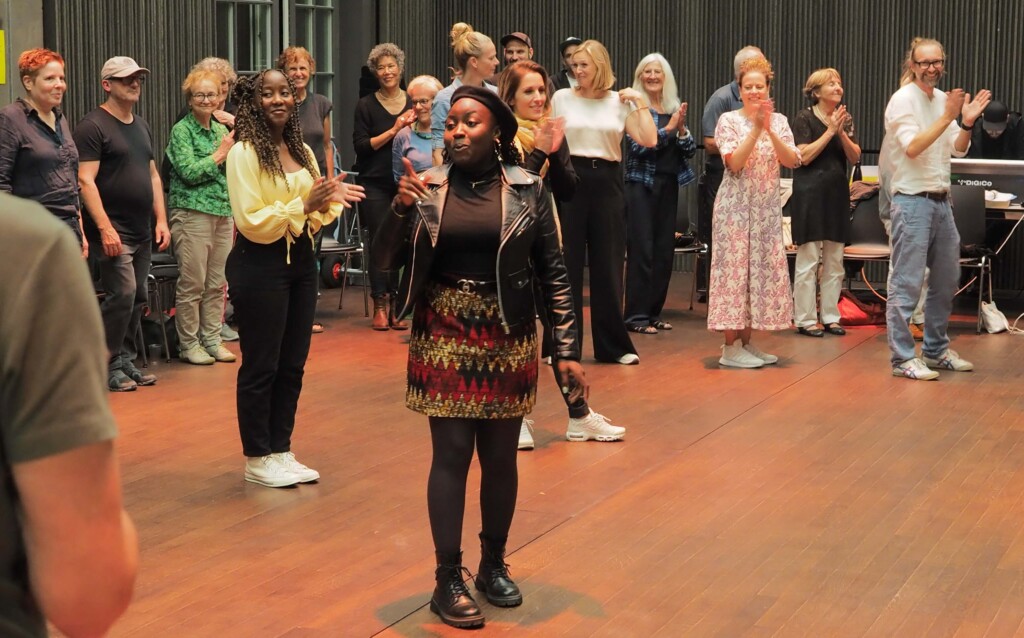
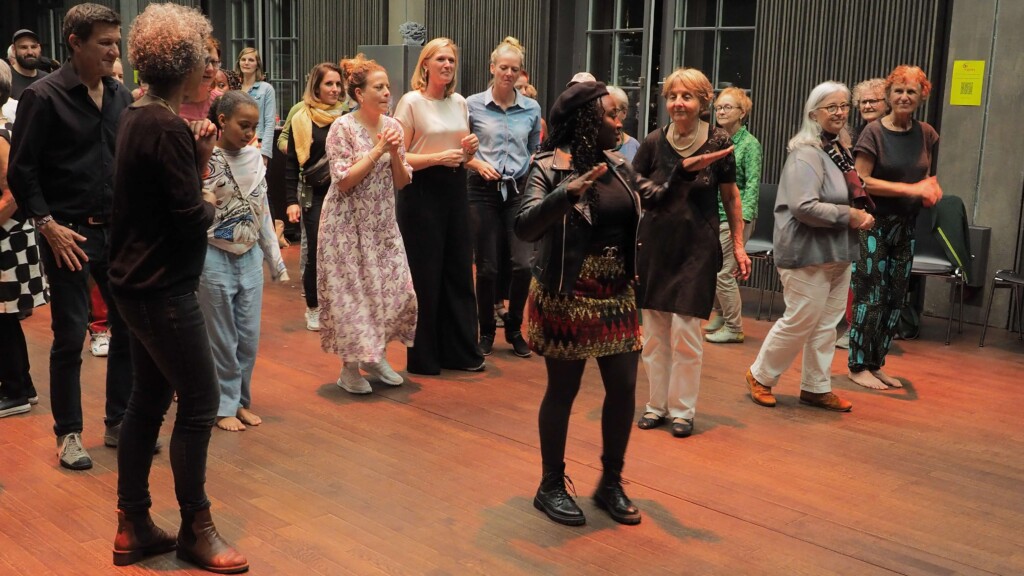
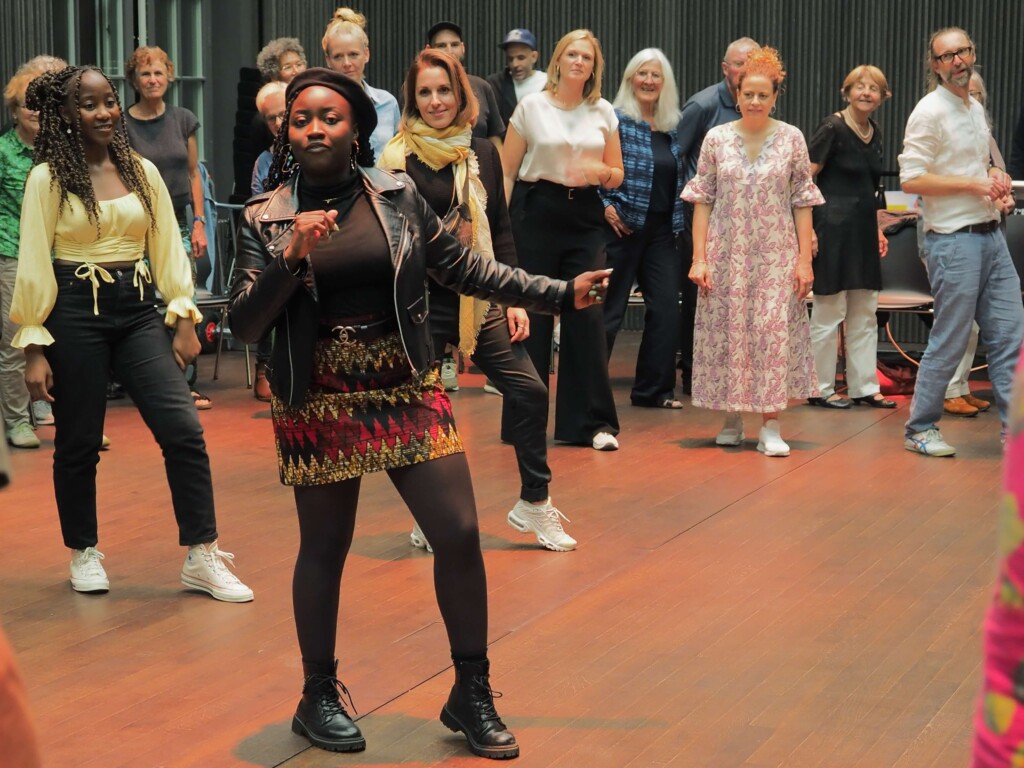
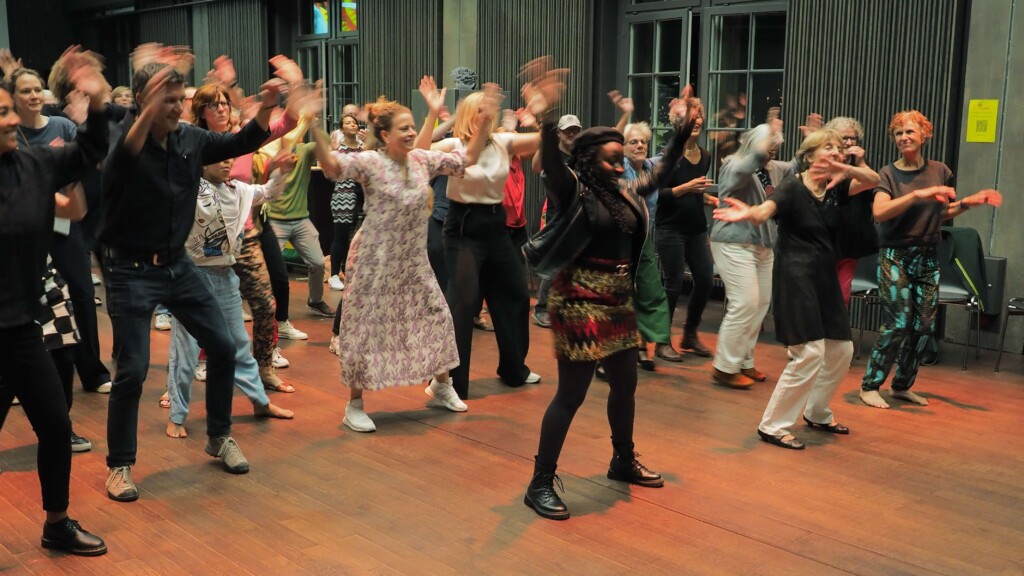
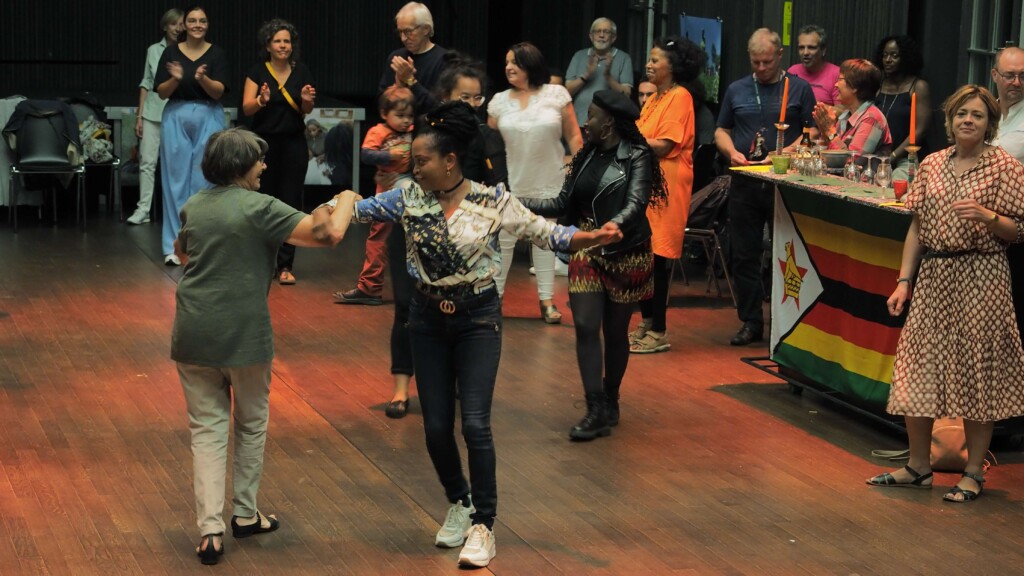
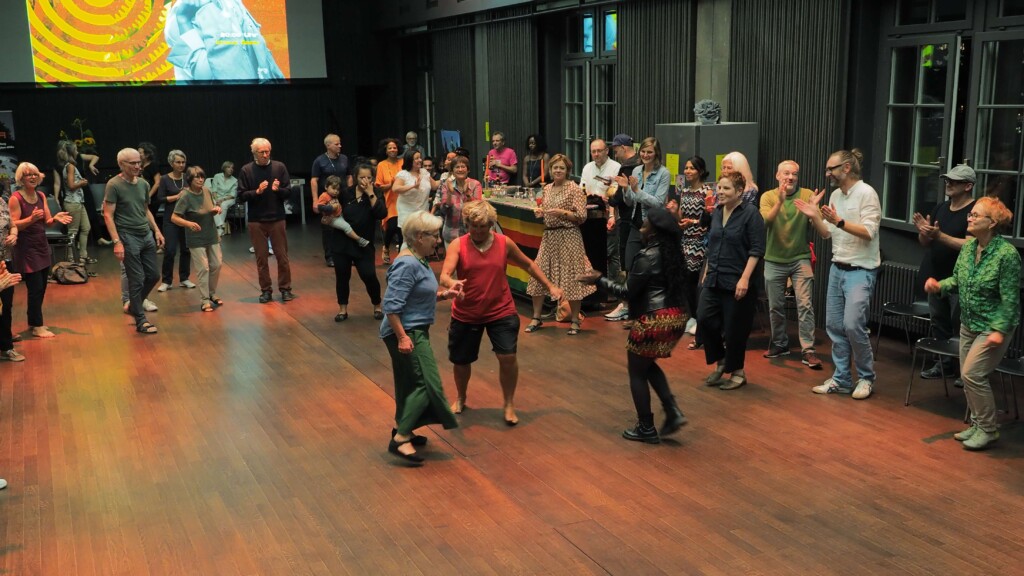
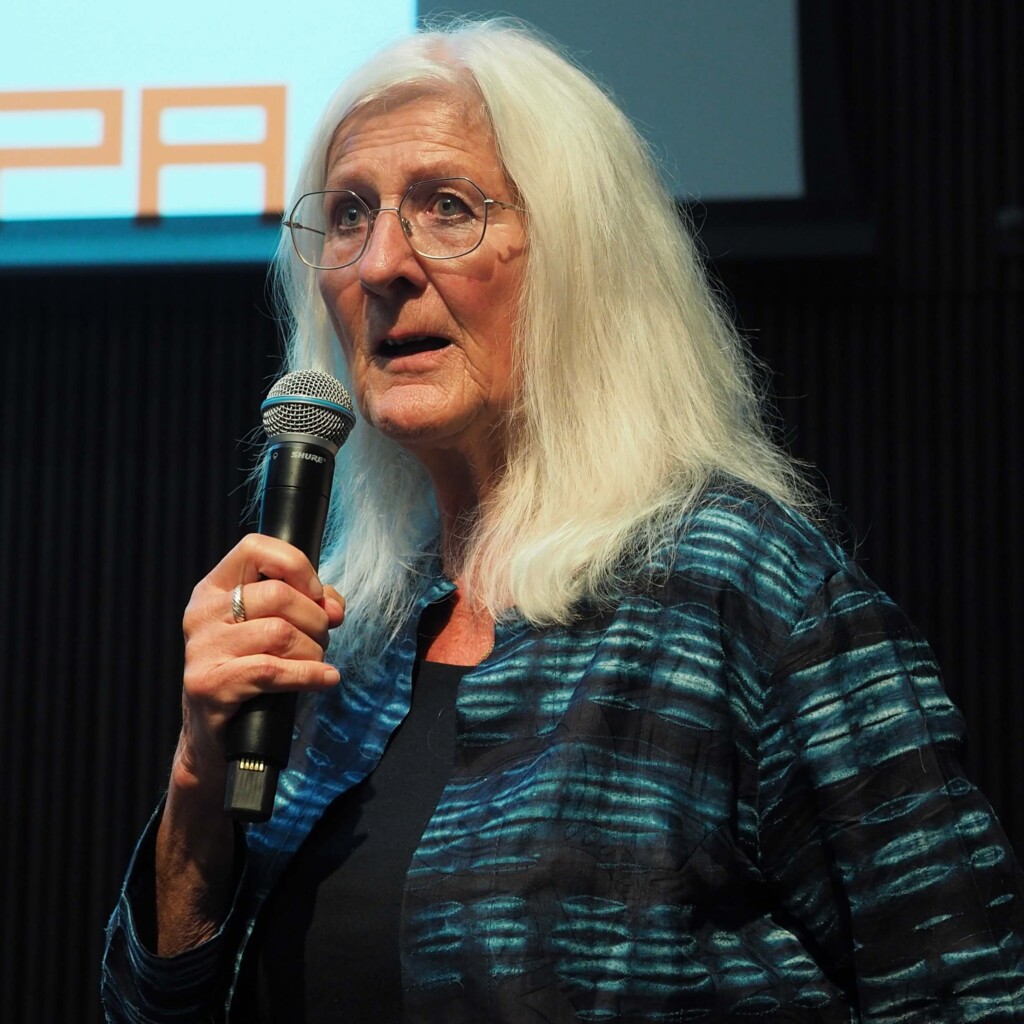
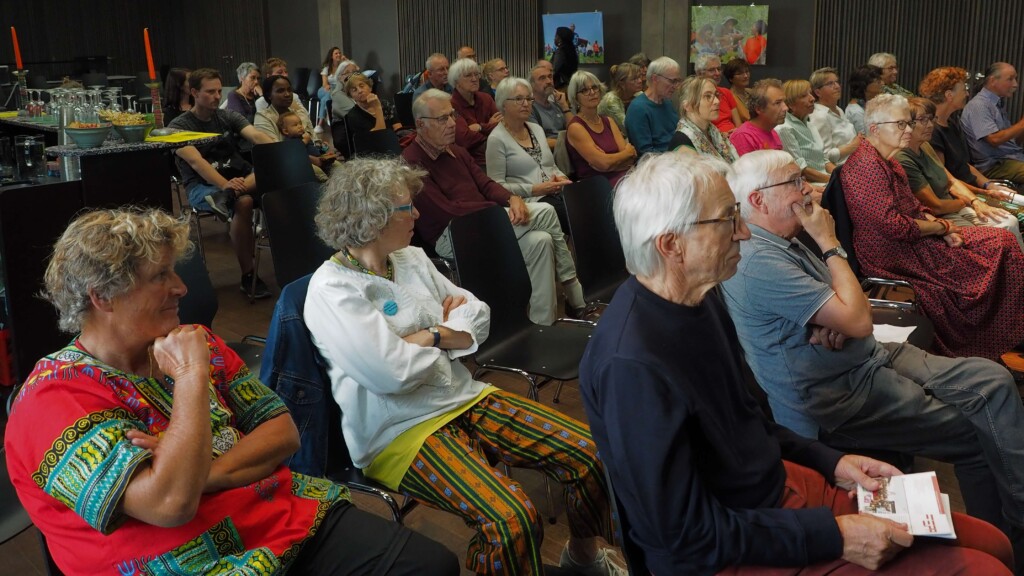
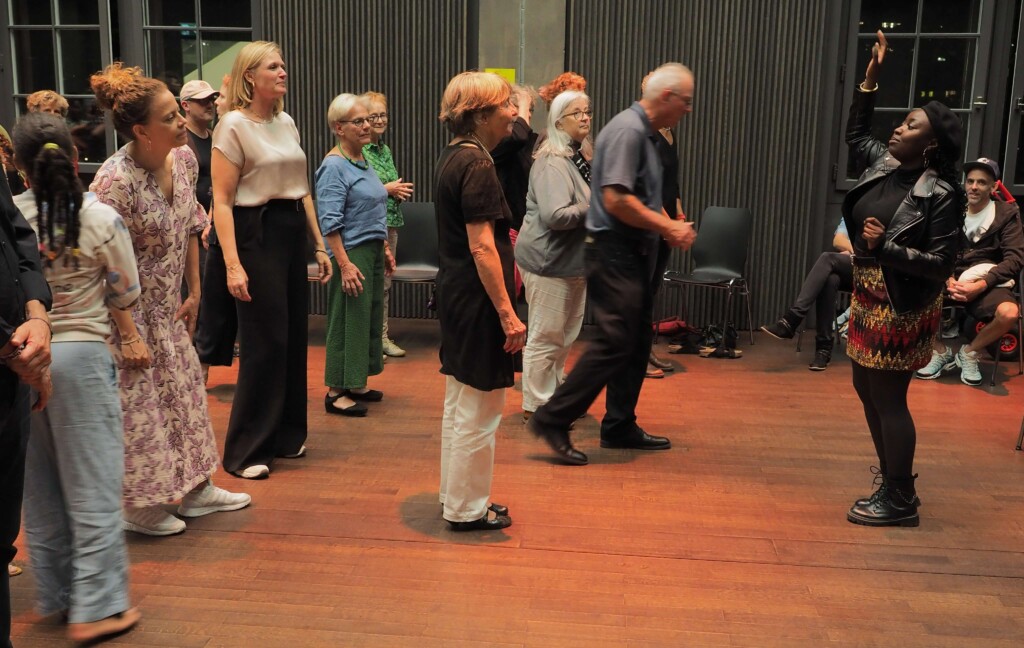
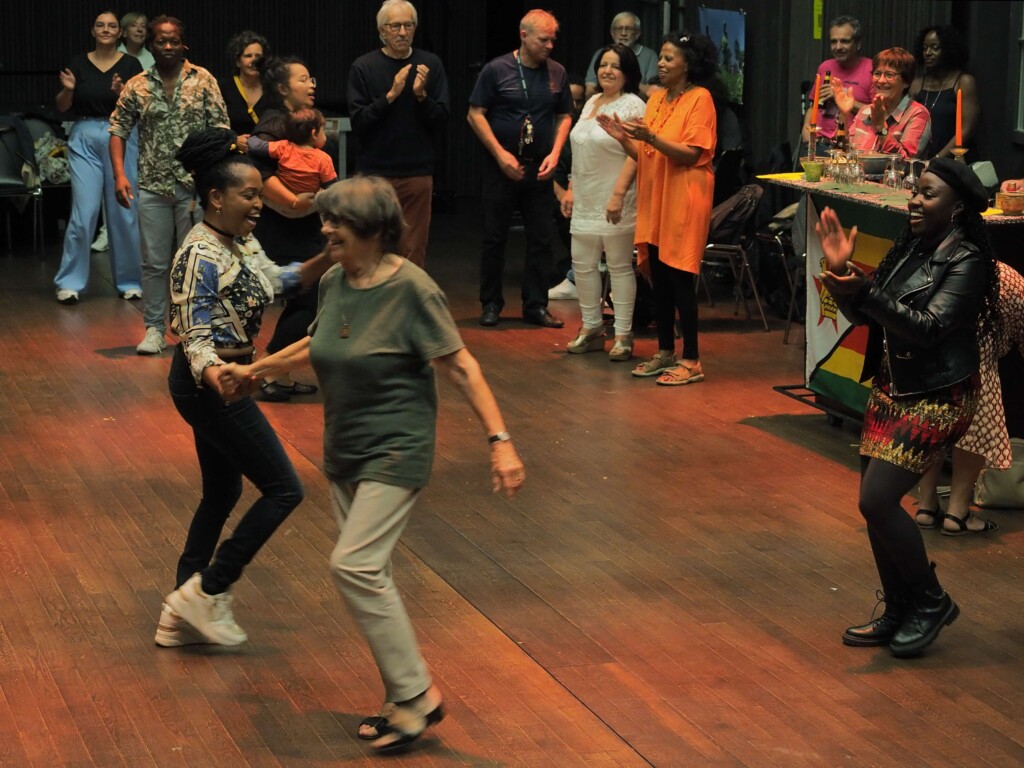
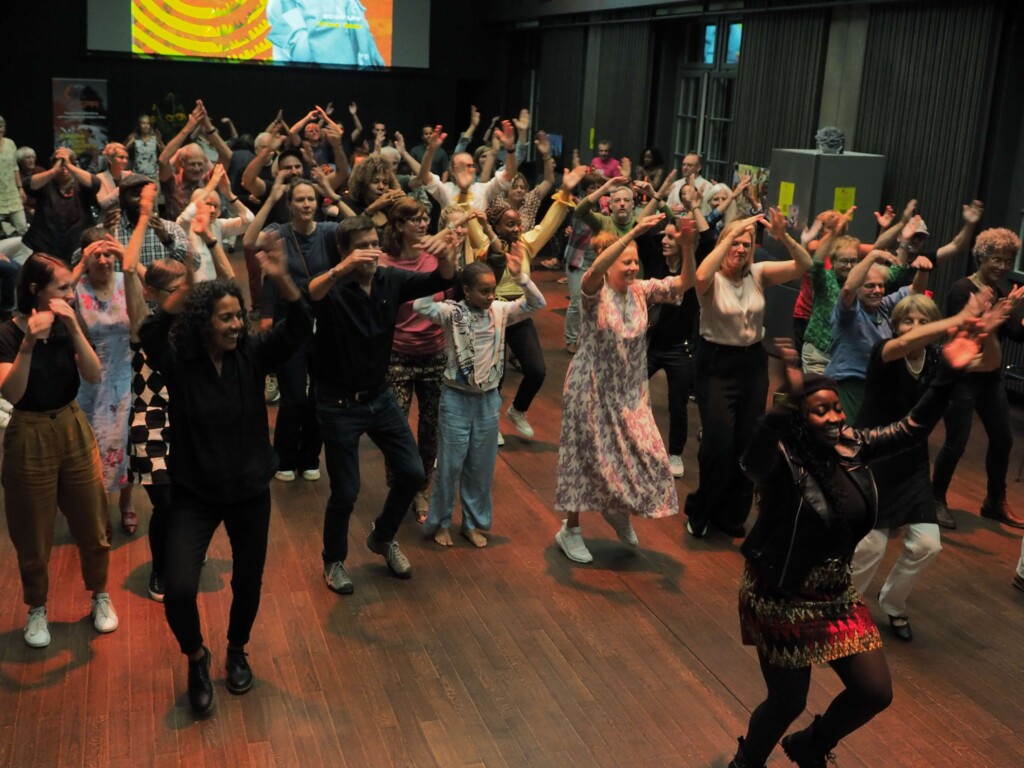
On 8 September, fepa received the “Friend of Africa Solidarity Award”. The award is given by Africa Link. The award recognises organisations and individuals who contribute to positive change on the continent. We are proud and happy about this recognition. fepa Co-President Ueli Haller accepted the award and presented our projects PORET and KSTC.

Africa Link is a diaspora organisation of Africans living in Switzerland. It regularly publishes articles in the form of an online magazine on topics that concern both Africa and Switzerland.

Introduction CoP

Introduction

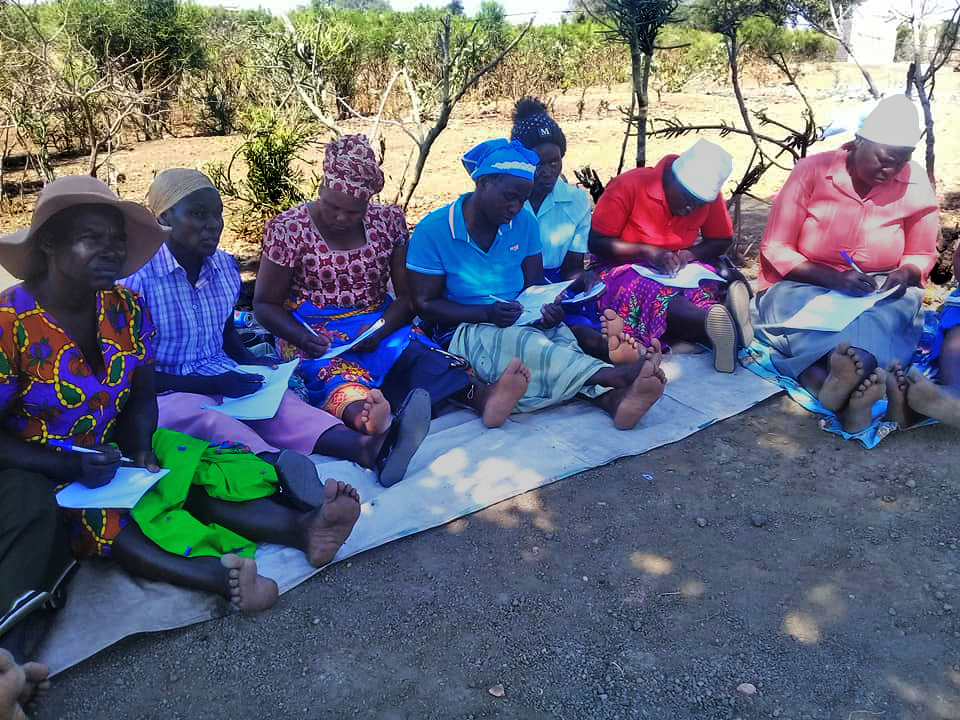
16 Zimbabwean grassroots organisations (Community Based Organisations) form a Community of Practitioners (CoP) that uses an empowerment approach in communities to advocate for women’s rights and gender justice.

The experiences in 2021 and 2022 are rich and promise that the path taken will make a substantial contribution to strengthening women’s rights and achieving SDG 5, while also achieving sustainable promotion and empowerment of young women as transformation agents and development agents.

Current reports on some of the contributors can already be found on the main page.

fepa’s approach to action

In our internal concept we describe our commitment to women’s rights and gender justice. The fepa community of practice approach is a flywheel for committed people. We consciously focus on diversity, agility and a multi-perspective approach. We are all part of an activist movement that empowers community members to achieve SDG 5. The distinct empowerment approach aims to achieve sustainable, democratic and equitable structures in communities. Individual rights (e.g. protection from early marriage) play a role in this, but we also do this in the belief that we are shaping an enabling environment for all genders through participation and citizen initiative. By working together to strengthen the capacity of grassroots activists, to seek dialogue, and to identify and implement solutions, we are building the foundation for a society that respects and advocates for the rights of all genders.

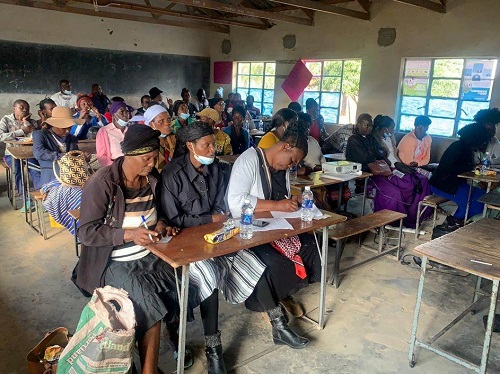
A flexible and participatory approach is a prerequisite and strength of community-based development. Navigating within societies is complex and it can never be fully anticipated. The CoP approach allows individual partners to develop autonomous objectives and context-specific solutions from the bottom up and implement them directly for the benefit of the target group. At the same time, they contribute to the improvement of the work of other activists. This is the advantage over a programme approach with guard rails set by fepa. The partners complement each other systemically and, thanks to the exchange and joint learning, increase the impact of committed people as agents of change.

The chosen approach is part of our initiative to ‘decolonise help‘ and to introduce agile methods in project management in order to not only achieve better results more effectively and faster, but also to act (even) more in partnership.

Excerpts from the fepa report on the CoP (highlights/lowlights/lessons learned) can be found here (only available in German).

Documentation on women and development

On the occasion of an exchange visit in 2020, we worked up some background information. There are still gaps. Will you help us to fill them?

Your contribution

Would you like to volunteer as part of our team that supports activists in the South? We have room for movement and give space for your commitment and talents. Contact us by email: info@fepafrika.ch

GWEN

GWEN – Girls and Women Empowerment Network

GWEN’s family-centred approach to gender justice
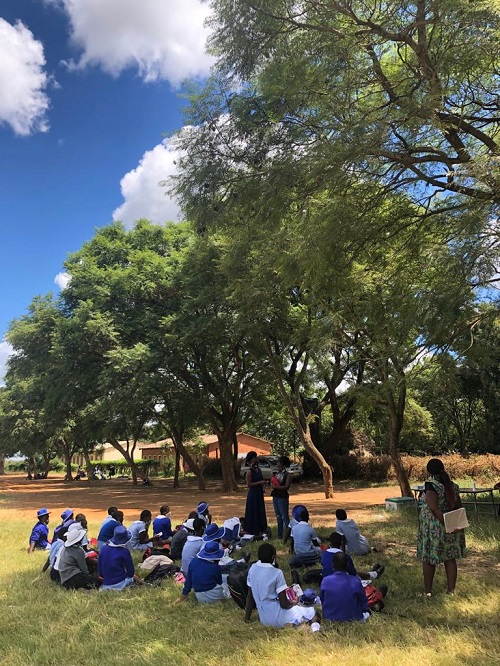
GWEN is an innovative community-based organisation led by a young inspiring woman and mother. In the project with fepa, the family is at the centre. Unfair treatment and discrimination of girls and young women is fixed in most families. When girls and young women challenge such disadvantages and find support and allies within and outside their own families, there is powerful leverage for improvement.

Specifically, GWEN works with girls and young women and strengthens their knowledge, self-confidence, solidarity and also their economic position. At the same time, it addresses family issues in communities, highlighting the importance and opportunities when and how girls can be empowered.

Thanks to our work, primarily girls and young women as well as other members of the communities in Seke and Chitungwiza are given the opportunity to create more equitable family relationships.

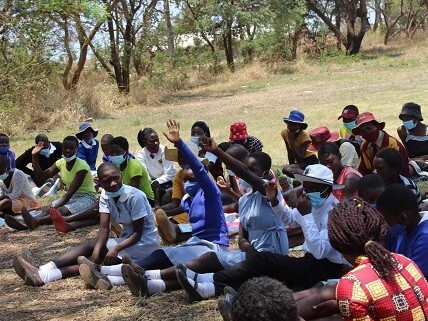
GWEN uses various entry points for this purpose: 2022 these are mainly meetings with girls, where education and livelihood issues are addressed and health and menstruation education can also take place; as well as public film screenings with discussions on family structures, girls’ and women’s rights, where important dignitaries and committed men also speak out.

GWEN has an activist approach: wherever possible, participants take action. In order to make this situational and community-integrated work possible, fepa hardly sets any guidelines, for example on the number of individual activities. However, we continuously evaluate the implemented activities together with GWEN with regard to their effectiveness and efficiency. In this way, the project creates new insights and confirms methods of how people themselves can contribute to more justice in their families and communities.

Our committment, our engagement

GWEN and fepa work together to

  • achieve a gender equitable society where girls and young women feel comfortable and free from sexualised violence
  • facilitate a ‘home-grown’ change in family structures so that families promote, rather than hinder, access to family rights for all members
  • enable all family members to realise their potential and contribute meaningfully to development and well-being

The family-centred approach in detail

Why?

  • structural roots of inequality in patriarchal families
  • gender myths can be deconstructed, healing can be achieved
  • “home-grown” solutions to problems in the home
  • communities in charge

Toolbox

  • community cinema
  • community and school visits on menstrual hygiene, including distribution of sanitary pads
  • exchanges with community leaders and stakeholders
  • financial support for girls’ school visits
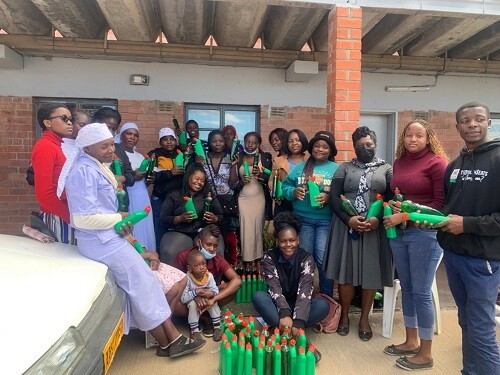
  • workshops on detergent production
  • community dialogues on drug abuse
  • mother-daughter dialogues
  • GWEN TRUST FRIDAY FACTS podcast

GWEN

GWEN works primarily in Chitungwiza and the rural foothills of Harare in Seke District to promote gender equality and for girls and young women. Traditional role models are widespread in the semi-rural communities. GWEN’s activists, who themselves come from these communities, work to change the way individuals, families and communities think. GWEN specialises in protecting the rights of vulnerable girls and women and how to promote them so that they claim their rights themselves. GWEN is very committed and has developed an innovative toolbox with activities and methods that are practical for working in communities.

GWEN’s director: Kumbirai Kahiya

Kumbirai Kahiya, founder and director of GWEN, grew up in a patriarchal family together with her twin brother. To conform to prevailing expectations, she had to behave, eat, speak and dress in certain ways. As a young football fanatic (and still a big Manchester United fan), she could not understand why she was not allowed to wear shorts to play like her brother. The decision was easily made: she went to work and bought her own football shorts with the money she earned – her own possession, which she wore with self-determination.

The experience of many women in Zimbabwe of not having access to resources was also hers. Her brother owned the land. By contributing financially to the family’s income, she also demanded the right to have a say and a say. But selling tomatoes on the street day in and day out while waiting for a man to propose marriage was not an option for her. She looked for ways to transform this prefabricated path. Not only for herself, but for all women in her community. Women need a place “where girls can just be girls”, says Kumbie. For which safe spaces – like Kumbie’s house was in GWEN’s informal beginnings – are of central importance. This is how GWEN came into being. Today, not only the offices of the organisation itself, but also the activities they carry out in the communities serve as such safe spaces.
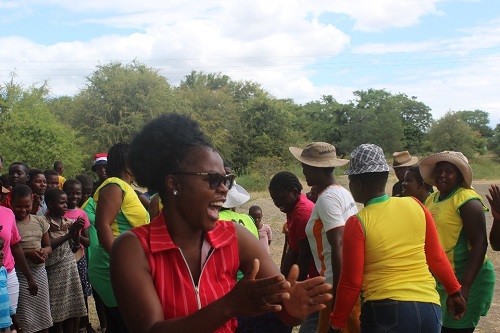
FCGEA is a concept that leaves no one behind and ensures that everyone is on board when it comes to promoting the rights of girls and young women, from the nuclear family to the larger community. – Kumbirai Kahiya, Director GWEN

Die Landkarte Simbabwes mit einer Markierung auf der Ortschaft Chitungwiza
fepa partner organisationGWEN, Girls and Women Empowerment Network
LocationSeke, Chitungwiza
Target groupGirls and young women, families and communities
fepa contribution 2021CHF 5’000
fepa contribution 2022CHF 16’500
fepa contribution 2023-25CHF 50’000

Currently

Check out our news page for the latest on this partnership.

With your donations for this project…

… you support an innovative grass root organisation that is campaigning for girls and young women.
YETT

YETT – Youth and Empowerment and Transformation Trust

Currently

Check out our news page for the latest on this partnership.

Culture of participation

Based on an impact model in which civil society actors play a central role for a democratic and welfare-promoting transformation in Zimbabwe, fepa supports the work of the Youth Empowerment and Transformation Trust (YETT) as part of an overarching, long-term partnership programme. The focus is on empowering young women and promoting peace.

«fepa encourages peer-to-peer learning through developing synergies between youth organizations at different stages of organizational growth and development.» – YETT

Empowerment and networking

Youth Empowerment and Transformation Trust (YETT) is a network of over 40 local organisations working in the youth sector. Co-founded by fepa in 2004, YETT has now become one of the most important Zimbabwean organisations helping young people to organise and network in a way that enables youth to have a say in the peaceful and democratic transformation of society at all levels.

Young people make up 60% of Zimbabwe’s population. Yet they have had little influence in shaping the country. Moreover, they are often at the centre of conflicts and are instrumentalised by political opponents for their own purposes. In addition, there is high youth unemployment and the desolate situation of the education system.

The target group of YETT are young women and men aged 18 to 35 from different backgrounds: urban as well as rural, Christian as well as secular, students as well as unemployed school leavers, and young people from different ethnic backgrounds. Special attention is given to the active and equal participation of young women and young people with a disability.

«fepa has helped to ensure the relevance of youth and young women’s voices in the development discourse in Zimbabwe» – YETT

With the financial support of fepa, YETT promotes local youth activities in the field of women’s empowerment and peace. Each of these activities is a key project for the implementing youth organisation, thanks to which it learns new approaches, acquires new knowledge, gains new members and creates new networks. YETT has been running the Young Women Rise Excel Course (YWRE), a five-day workshop for young women from all over the country, since 2019. fepa has been supporting YWRE since 2020.

fepa partner organisationYouth Empowerment and Transformation Trust
LocationZimbabwe
Target groupYoung people up to 35 years in community-based organisations
fepa contribution 2019-21CHF 52’000
fepa contribution 2021CHF 30’000
fepa contribution 2022CHF 33’500
fepa contribution 2023CHF 30’000

BLF

BLF – Better Life Foundation

The youth organisation BLF campaigns against gender-based and sexualised violence in the rural Mutoko District, about 100 kilometres north-east of Harare.

As part of a project supported by fepa, a Women Protection Committee was established. Its task is to offer protection to girls and women affected by gender-based violence and to support them in the prosecution of the offences and the conviction of the perpetrators. A positive impact on local jurisdiction in cases of gender-based violence is already visible as a result. The report with insights into the details of the project can be found here.

BLF has also composed and performed a Women’s Song to speak out against gender-based violence and child marriage.

Currently

Check out our news page for the latest on the partnership.

CYDT

CYDT – Community Youth Development Trust

The youth organisation CYDT works for women’s political participation in the southern Granz town of Beitbridge and in Gwanda Central, about 530 kilometres southwest of Harare. In the process, civic education trainings for women were conducted. Multiplication campaigns support the process: women and men who have received further training act as multipliers within their environment in the long term in order to sensitise acquaintances, family members and friends to the political participation of women.
The full report with insights into the details of the project can be found here.

Currently

Check out our news page for the latest on this partnership.

KUMBE KUMBE ARTS TRUST

KUMBE KUMBE ARTS TRUST

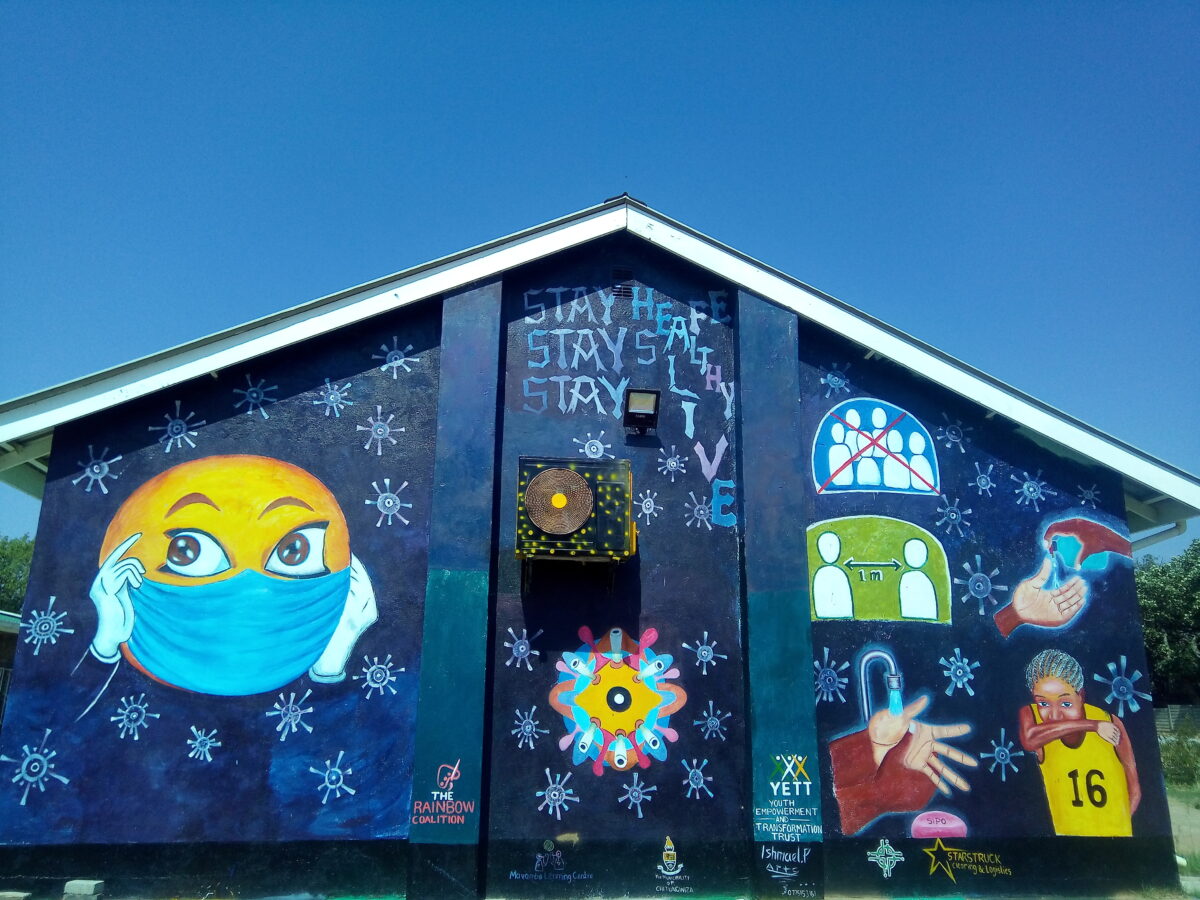
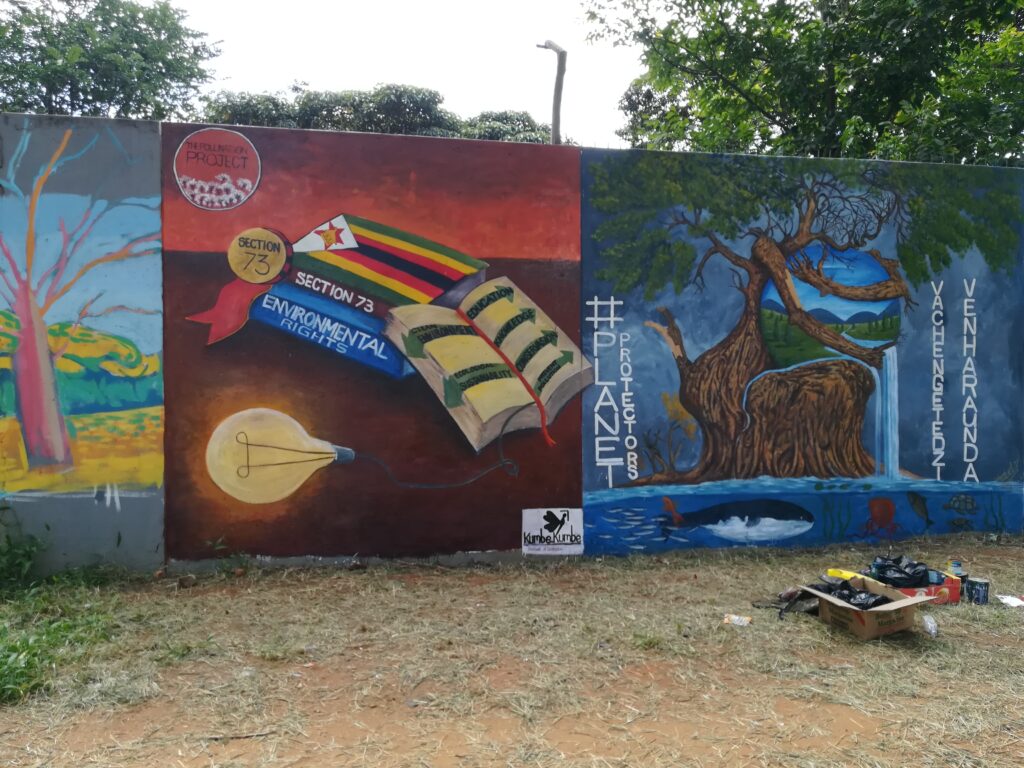
Kumbe Kumbe Arts Trust is a youth organisation that uses various forms of art for positive change in Zimbabwean society. They are strongly committed to community concerns and issues.

Apologies: this page is more current in the German version (use the button top right to switch). If you want to volunteer as a webmaster for the english pages, please get in touch with us.

Art for Peace 2023

With the Art for Peace project, Kumbe Kumbe Arts Trust is part of the Initiative for Small Grants 2023, in which young artists develop methods for peacebuilding through visual art. For this purpose, an exchange of 5 young art activists from each of the organisations Kumbe Kumbe Arts Trust and Shamva takes place, in which the use of art in public relations is discussed. The aim is to create a joint mural in Shamva (mixture of drawings and graffiti) that presents a call for peace and conflict transformation. The mural will depict peace stories and events that speak for an end to violence and for more political tolerance.
MDPZ

MDPZ – Miss Deaf Pride Zimbabwe Trust

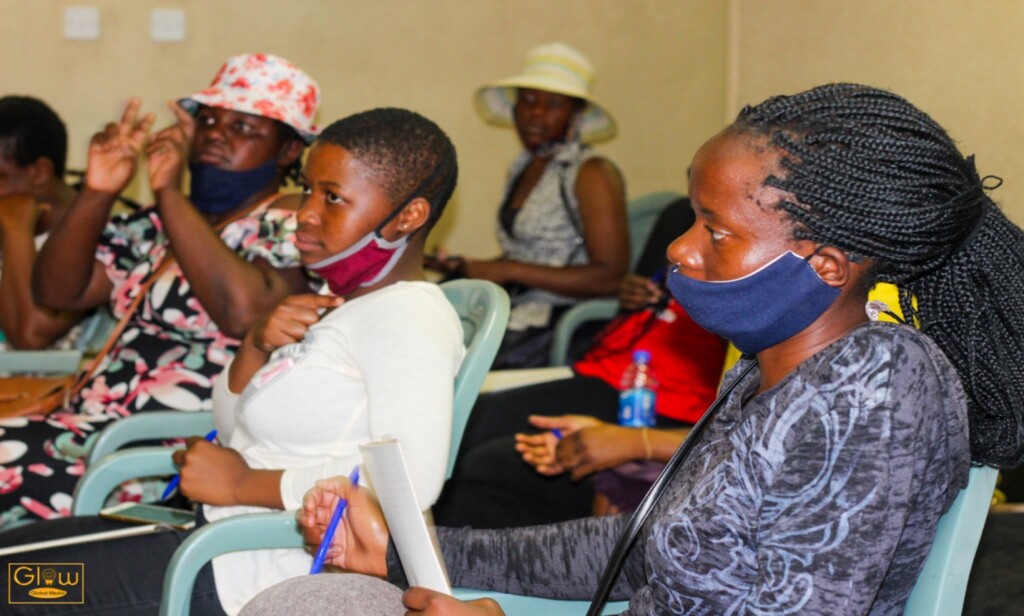
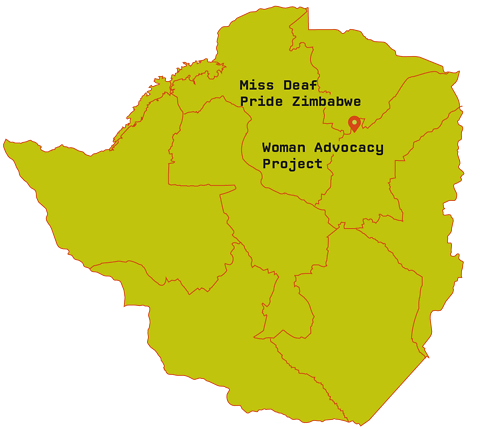
Miss Deaf Pride Zimbabwe advocates for the concerns and rights of people with hearing disabilities in Harare, the capital of Zimbabwe. Access to knowledge about sexual and reproductive health and rights is denied to many people with hearing disabilities – which is why MDPZ focuses primarily on sexuality education in sign language.

As part of a project supported by fepa, several sexuality education workshops were conducted in sign language. Videos were also produced to raise awareness of structural and sexual violence against people with hearing disabilities among a wider population. The full report and insights into the project can be found here.

Currently

Check out our news page for the latest on this partnership.

Pahukama Youth Oryxes PNYOF

PNYOF – PaHukama National Youth Oryxes Foundation

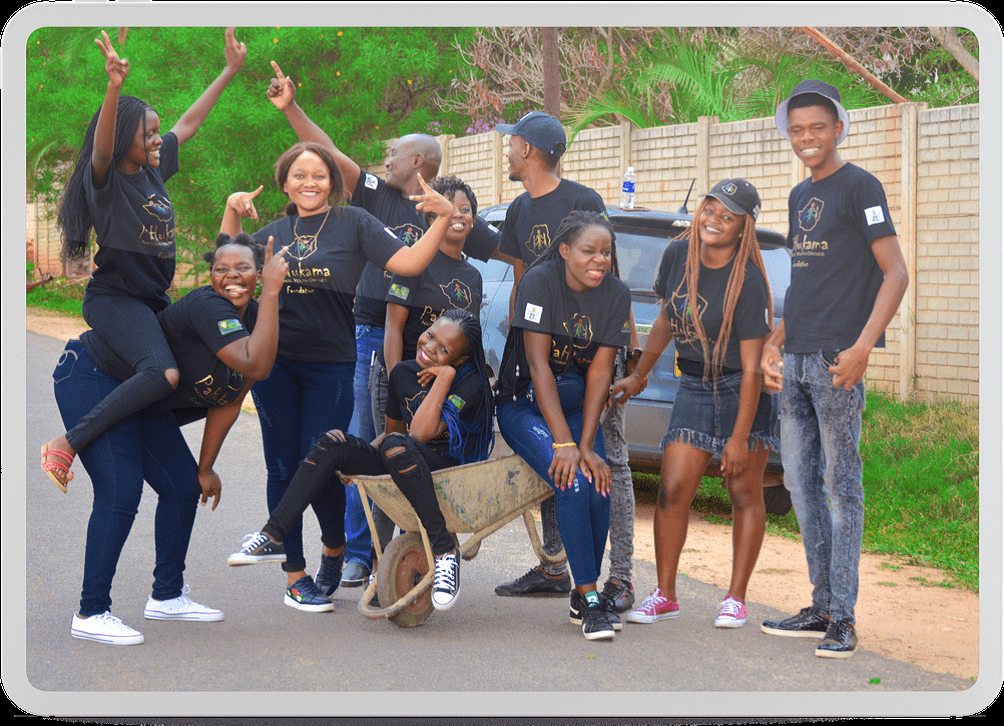
PNYOF, or the Youth Oryxes as they call themselves, is a youth-led organisation active mainly in Chinhoyi, but also in Harare and more recently in Bulawayo.

PNYOF is committed to the community of practice for women’s rights and gender justice. They will contribute to nationwide activism, especially in the context of the 16 Days Campaign.

Currently

Check out our news page for the latest on this partnership.

RNS – RISE N’ SHINE

RNS – RISE N’ SHINE TRUST

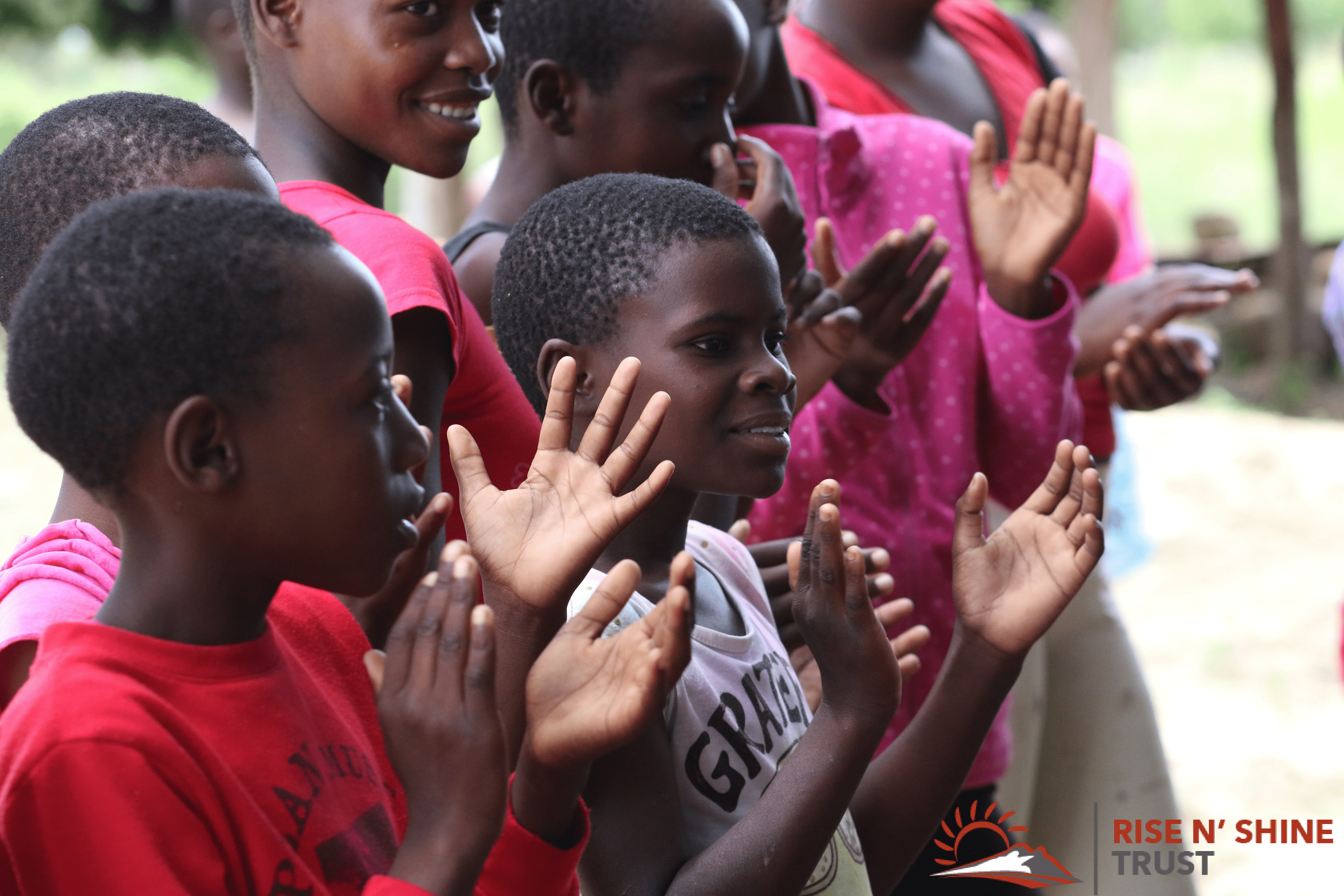
Rise N’ Shine Trust is a non-profit charity in Zimbabwe that works for the arts, education and the environment. Specifically, it is about creating self-chosen and self-determined pathways for young people and women in rural, peripheral and urban areas. Rise N’ Shine believes in the power of education to bring about sustainable change in communities and societies for the future.

Tables of Peace 2023

The Rise N’ Shine Trust is a partner organisation of the Small Grants Initiative 2023.

With the project “Tables of Peace”, RNS advocates for art, education and the environment. Young men come together and address their own role in relation to gender-based violence. Since playing billiards is a frequent pastime for many men from rural areas and small towns, RNS picks up right there, addressing men’s participation on the issue of gender-based violence at pool tables.