Women and Economy

Women and Economy

Women play a huge role in the overall economy of Zimbabwe and at the same time suffer from a number of disadvantages. As a rough conclusion, one has to state: Women work more than men and are exposed to greater risks.

Zimbabwean women see it as their job to feed the family. They get up early in the morning, do the housework and then go to work.

Women who are economically empowered tend to empower others around them, including their children, families and the community at large.

Women in the labour market

Women have careers and are successful. But the resistance is often very great, as reported by Rosewita Katsande of the YETT youth network, who has been monitoring the labour market and women’s careers for many years.

Unemployment and work in the informal sector

Many women with vocational training are unemployed, especially in urban areas. A study of almost 6,000 young Zimbabweans showed that women have only half the chance of employment in the formal sector: only 5.2% of all women work under a proper employment contract. Conversely, significantly more women than men are employed in the informal sector. However, most employers in the informal sector are men, as a study by the International Labour Organisation (ILO) showed. In recent years, women have increasingly been active in male domains, including small-scale mines or quarries.

Although there are also informal social security systems for the informal sector, many women are unable to make regular contributions. Health insurance is also not very accessible for these women and their special needs. Many women have to manage more than one job to have enough income and a stable financial situation. A large number of women therefore work more than 70 hours per week. The YETT study also showed an enormously high proportion of women who regularly or temporarily earn a sideline income from sex work.

Rural women

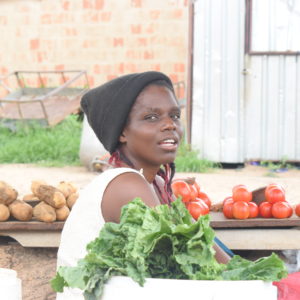
In the countryside, unemployment rates among young people are lower than in the city. Here, people still live from agriculture. Although women play a crucial role in the agricultural sector, they are highly marginalised. Women in rural areas work 16 to 18 hours a day, according to recent studies. While men contribute only about 45 per cent of the output in the agricultural sector, the percentage of women’s participation has increased to 55 per cent. However, due to cultural norms, women are subordinate to their husbands/partners and so men make household decisions, about land ownership, finances and all valuable livestock in the last instance, often without prior consultation with their wives. The foundation of the rural economy is access to land. This is often denied to women. Widows, for example, regularly go empty-handed in the distribution of their deceased husband’s inherited land. Large investment projects also often have a particularly negative impact on women, as the example in Chisumbanje shows. In the areas where the so-called Fast Track Land Reforms have been carried out, it is also evident overall that women have been disadvantaged.

Land is one of the most striking examples of how women are excluded from access to productive resources. This also applies to the capital market. The financial status of women in Zimbabwe is significantly lower than that of men. The experience in our pilot project area shows that women have virtually no access to commercial credit, mainly because they cannot bring in any collateral in a world where they are effectively excluded from property and inheritance rights. The micro-banking sector that exists in other countries is completely absent in Zimbabwe’s rural areas.

“Poverty becomes more female”

In the agricultural sector in particular, we find many factors that disadvantage women: agricultural production pays women lower wages, commercial farming (and men) push women off the land and put pressure on producers in particular, which is transferred to working and employment conditions. So in many places, women are pushed into a labour market that pays them inadequate and unfair wages. This may also have something to do with the fact that rural economies mobilise women (and children) during labour-intensive periods, while regular tasks tend to be performed by men. “Poverty has a woman’s face,” writes a Zimbabwean woman, or to google it in technical language: “Feminization of Poverty”.

Household work and unpaid work

The fact that women do a lot of unpaid work in the household, raising children or caring for sick or elderly people is a global phenomenon that is criminally neglected by the economic sciences.

Women who live in places where the infrastructure is poor spend much more time on household chores. A study by the English NGO Oxfam calculated that women from the poorest households spend on average 40 minutes more each day collecting firewood and fetching water than economically better-off women. Over the course of an entire woman’s life, this amounts to a full year. Girls from these households have to spend seven hours more per week on household chores. Of course, this also has an impact on education!

It also means that women start working earlier than their male siblings. Even as children, girls are expected to help out in the household. More on this in the chapter Generations.

Especially in countries like Zimbabwe, where HIV is very widespread, the number of those who can take on such tasks at all is also reduced. The International Labour Organisation found that in Zimbabwe, for every 4 people who can care, there are almost 3 people who have to care for them. The HIV epidemic has burdened many older people, and grandmothers in particular, with many additional tasks.

Families who can afford it hire domestic help in Zimbabwe. The government has set a minimum wage for this sector. In the last adjustment in September, a wage of about 170 Zimbabwe dollars was set if domestic workers could live at the place of work for free. At today’s exchange rate, this would be less than 10 USD. Currently, a domestic worker can barely buy two 10-kilo bags of maize with such a wage.

Climate change makes matters worse for many women and girls. Not only does it cause yield and income losses, thus increasing poverty, which in turn adversely affects women’s opportunities. Climate change also greatly increases the workload for water harvesting, for example. And because women are central to both the production and preparation of food, more elaborate but, for example, drought-resistant crops may also mean more work. All in all, the multiple workload can affect the supply of food for women and their families, whereby it is not only a question of the quantity of food, but also of its quality or balance.

Dont forget to like and follow fepa for regular updates!

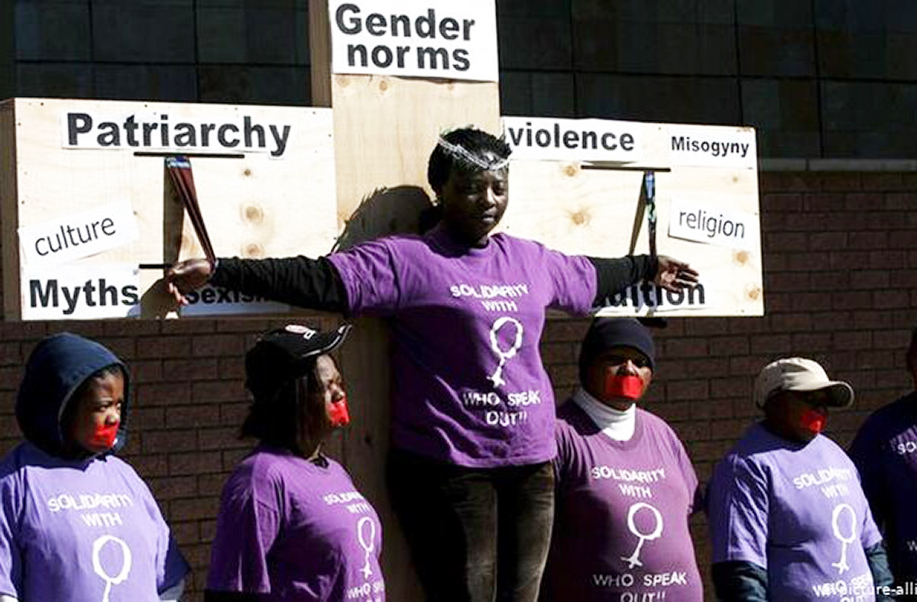
Women and patriarchal culture

Women’s rights and patriarchal culture

Background

“Women face many challenges. Some of them result directly from traditional ideas of our community and from patriarchal structures. Some of them are exacerbated by these structures.” So says Cynthia Gwenzi, Gender Officer at Platform for Youth Development in Eastern Zimbabwe.

So are societies in Southern Africa patriarchal? The answer is yes, both pre-colonially and as a result of colonial history.

Oppression of women pre-colonial and colonial

African historian Jeff Guy postulated in 1990 that “the best way to understand the oppression of women in pre-colonial societies in southern Africa is to look at the production systems of the time…these societies were based on the appropriation of women’s labour”. Today, such materialist views – while not wrong – have been supplemented by a broader cultural history that restores women to a place as agents of action at all times. The icon for this is Nehanda Charwe Nyakasikana, who was a powerful spiritual leader in the first anti-colonial struggle in Zimbabwe.

History shows that the colonial period massively reinforced the patriarchal system. One example from Zimbabwe was the de facto ban on young women (from the age of 12!) from entering into an arranged marriage. In pre-colonial times, women still had the possibility to run away with a lover over all mountains and thus come to a love marriage, which was subsequently regularised by the families. The colonial marriage law, however, stipulated that marriage and cohabitation “always” required the consent of the pater familias.

The history of colonial jurisprudence and administration, and also of the Christian mission, shows that the patriarchal ideas of colonial masters and missionaries repeatedly led to an alliance with particularly patriarchal interests of Africans. There is no doubt that many mission stations were a haven for young women seeking liberation from confining conditions. However, this liberation usually came at the price of subordination to the paternalism of the mission leaders.

Racist and patriarchal interpretations of “traditions”

The Zimbabwean social scientist Rekopantswe Mate recently wrote for the journal afrika süd about customary law as a racist and male-biased version of culture and tradition. According to Mate, this customary law is stable because religion, the education system and also the idea of “development” make it difficult for women even today to have an emancipated view of history.

Thus, customary law and moral condemnations often go hand in hand. To this day, women who escape male control are denied honourability and are often called “prostitutes”. Even moving to the city undermined a woman’s respectability. Women in the city therefore developed new codes of honourability – although it remains important to maintain contact with the family in the countryside. This example in particular shows well how new forms of patriarchal oppression emerged during the colonial period, as well as new forms of gender identities as lived by women.

Cultural debate under the sign of an anti-feminist backlash

Those who invoke culture still use one of the most significant weapons in the debates around women’s rights. NGOs representing women’s rights are portrayed by many, not least the ruling party, as a kind of Trojan horse with which the West is trying to maintain neo-imperialist control over Zimbabwe.

Feminists and their organisations, on the other hand, stress that women’s rights are indeed a Zimbabwean issue and also emphasise the role of these rights in Zimbabwean cultures. For example, they describe child marriages as a “harmful cultural practice”: not because they are necessarily rooted in local cultures, but rather because the patriarchal twisting of culture leads to excesses and then legitimises them as “traditions”.

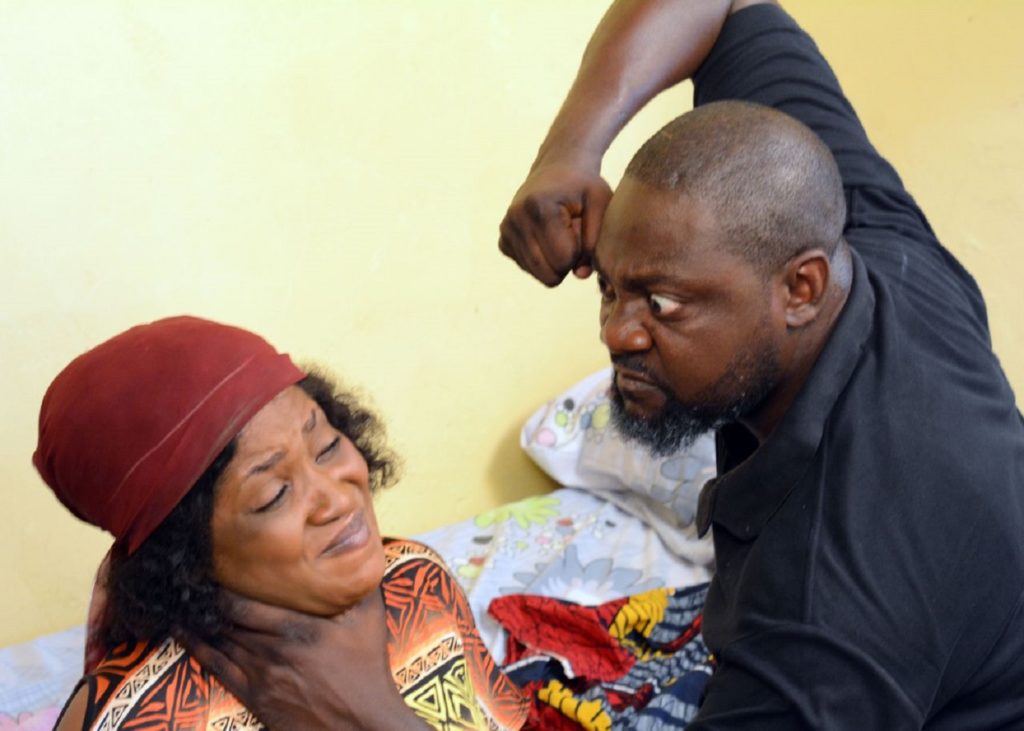
An example of this was the introduction of laws against domestic violence in 2006. In the end, the women’s minister and civil society organisations prevailed. However, the debate was heated and loud, precisely because opposition politicians also joined the camp of the rejecting men’s guild. They said that women were not equal to men and that this “diabolical” law undermined the traditional status of men. For the state to interfere in the private affairs of men, they said, was against culture and tradition. Obedience in marriage and modest dress were promoted as traditional mechanisms against gender-based violence.

A missed departure?

The fact that such colonially overlaid currents of argumentation can persist to this day is actually astonishing. For in the 1970s, young women were invited to take on new roles as liberation fighters in the anti-colonial war. Many did – and many were disappointed. If this phase can be called a first phase of feminism in Zimbabwe, one must speak overall of a patriarchal backlash in the name of traditionalism and nationalism.

Women make history

Is there a way out of this backlash that could do without a critical examination of history? How else do women* defend themselves against those who invoke supposedly unshakeable traditions and defend patriarchal culture as “genuinely African”? With what awareness could the argument be refuted that the commitment to “fairness and equality … is anti-cultural, un-African and thus subversive”?

Rekonpatswe Mate points out that above all, the changeability of pre-colonial practices must be brought back into focus. That cultures and traditions should bring solutions to communities and not exist for there to be something that is absolute and unchanging. And she stresses that the lack of reflection on the influence of colonial rule weighs heavily. That is why a direct recourse to pre-colonial models that are supposedly vouched for today is not useful. Overall, Rekonpantswe Mate seems to have little hope that the conditions and a good space exist today for such a historical debate.

Broader alliances for a progressive culture

The fepa partner organisation Platform for Youth and Community Development, of which Cynthia Gwenzi is a member, takes a somewhat more positive view. Hope could come from the fact that the debate on women’s rights and culture is breaking through the usual binary political system in Zimbabwe. What started in 2006 with the debate on domestic violence is still evident today: politicians from all camps are publicly campaigning against gender-based violence. This opens up possibilities for civil society engagement and alliances among women, where discussions about progressive and emancipatory elements in traditions become possible. For Cynthia Gwenzi, this is one of the levers to fight for a progressive culture.

If you want to know more about the conditions for feminism and activism for women’s rights, visit our information page on Afrofeminism or follow us on Facebook for regular updates. Don’t forget to share the events and like fepa!

Appendix: Aspects of historical gender relations in Zimbabwe, based on Mate et al.

Pre-colonial gender relations

  • Zimbabwe is ethnically and culturally diverse. Cultural identities have always been fluid: women in particular acquired multiple identities through marriage and moving.
  • Patrilineality: for most ethnic groups, group membership, and thus access to resources or inheritance, runs in the patriline.
  • Patriarchal: pre-colonial societies in Zimbabwe were male dominated.
  • Women had a lower status. Extended families disposed of them as gifts to powerful people, as debt pawns or as surrogate wives. Women born into privileged circumstances tended to remain protected.
  • Marriage “was a kinship-motivated and male-dominated social, economic and political alliance between or within kin groups”. In other words, marriage was not a pure love match, but was meant to serve families and communities.
  • The “bride price” was an expression of these reciprocal relationships: Families exchanged valuable productive items with the wife’s parental family.
  • Wives were given access to land and could earn their own income on it to feed the family. In Shona culture, they could also bequeath the income they had earned themselves.

Christianisation and colonialism

  • Economically, women benefited from new opportunities until about 1930. Then, when the colonial economy needed more male labour, the workload for women increased sharply.
  • At the same time, a colonial legal system was established that severely limited women’s opportunities. Men were given new ways to control women if that helped maintain control over men. In the context of a dual legal system, a patriarchal “indigenous” customary law solidified, claiming moral supremacy to this day.
  • Christian communities offered new role models and femininities, characterised by “domesticity”. They propagated male-dominated forms of agriculture.
  • Many women’s activities were lost: in pre-colonial times, women were still more common as craftswomen, as healers or midwives, or they also went hunting with men. Many of these areas were re-regulated to the detriment of African women.
  • The “bride price” came in for sweeping criticism as a monetisation of marriage. In practice, however, it is still the prerequisite for a marriage that is considered respectable.
Women, Violence and Peace

Women, Violence and Peace

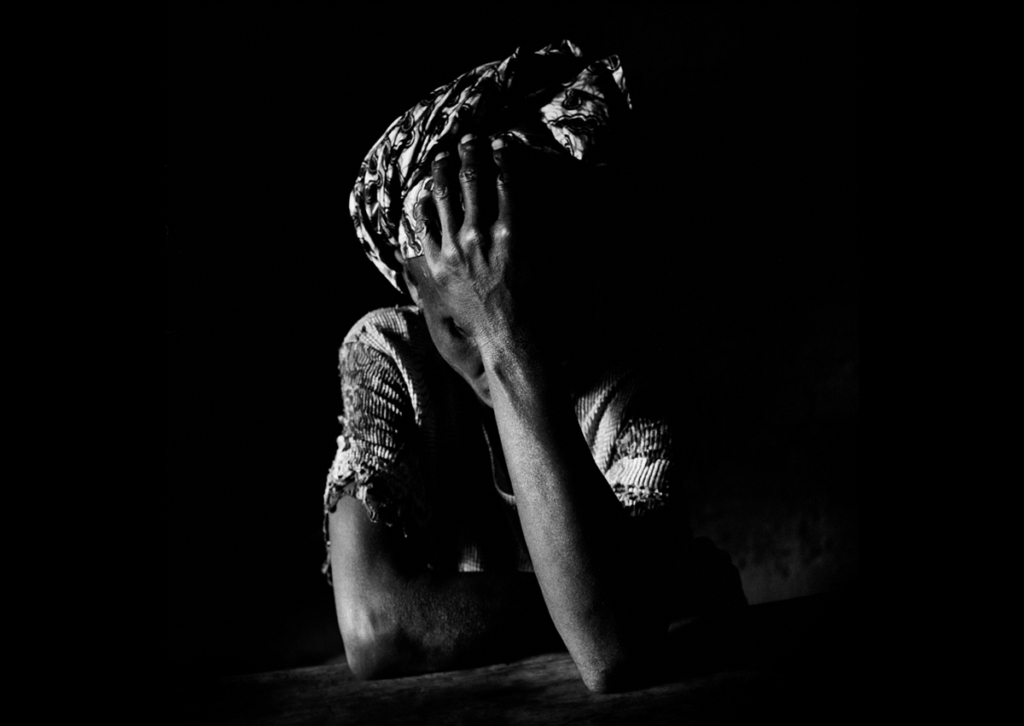
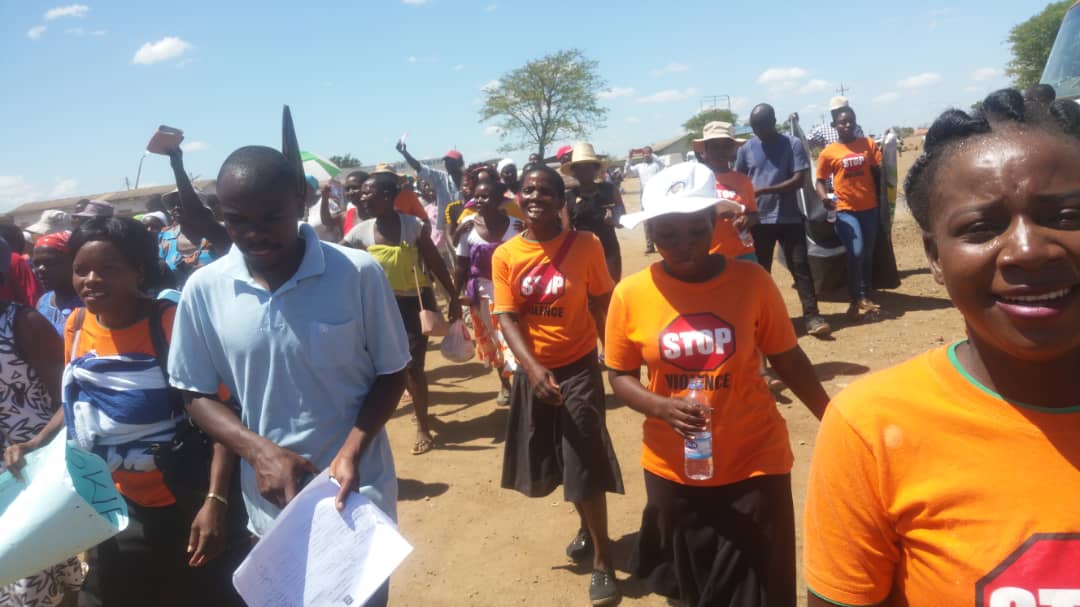
Zimbabwe is a fragile state whose inhabitants have experienced much violence as part of political conflicts. Since 2000, committed women and entire groups of women, e.g. urban market traders, have repeatedly been the targets of gender-based and sexual violence.

Gender-based violence is also a major problem in everyday life, as our project partners report.

Women, whether in Zimbabwe or Switzerland, need to be better protected from violence in relationships.

Women are also perpetrators. And women are central pillars for peace policy. Their commitment to non-violent conflict resolution is not only important – it can also be promoted.

Since Covid

The Shadow Pandemic since the outbreak of the Covid pandemic has also been strongly felt in Simabbwe. The term Shadow Pandemic was established by the UN to refer to the increase in domestic violence during COVID-19. In Zimbabwe, domestic violence in physical, mental and sexual forms increased by about 40%. It was also strongly felt that more and more young people are involved in sexual activities. This manifests itself in the form of STDs and teenage pregnancies. The reason for this is that they are not busy enough because of the school closures and do not receive the necessary guidance from the pandemic. Marriage of girls out of financial need has also increased.

Legal persecution

On 14 May 2020, three young female politicians were abducted and tortured. The high-profile and award-winning human rights lawyer Beatrice Mtetwa says it clearly in a letter to the President of Zimbabwe: This is a crime that has been perpetrated against women because, as women, they interfered in national politics.

Zimbabwe’s progressive constitution as a basis for improvement

Zimbabwe has since 2013 had a constitution that enshrines gender equality as a fundamental principle of the nation. However, much remains to be done before existing laws are in line with the constitution and implemented. The commitment of many organisations and groups to human rights and in particular to women’s rights is therefore central to building an equal and peaceful society. fepa has partners in Zimbabwe who advise, support and network women.

Today’s reality

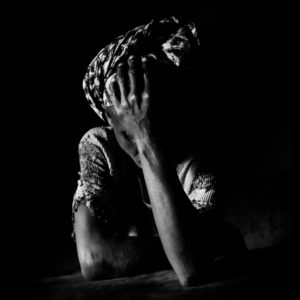
Violence against women is widespread in Zimbabwe. It is difficult to determine the extent of it. Women have many reasons not to report the perpetrators. The police usually remain inactive, many women are not aware of their legal rights, they are also tormented with insensitive, accusatory questions or even subjected to physical attacks.

The fact that the health services and the police do not systematically collect data on violence against women also makes it difficult to determine the extent of acts of violence.

Here are a few figures from surveys and scientific studies:

  • Almost half of all women have experienced physical or sexual violence. One in three women experiences sexual violence before the age of 18.
  • 43 per cent of girls between 13 and 17 said they were forced to have sexual intercourse for the first time.
  • Zimbabwe has one of the world’s highest rates of underage girl marriages: Three years after Zimbabwe’s Constitutional Court declared child marriages unconstitutional and set a minimum age of 18, the government has yet to put structures in place to implement this court ruling.
  • 6.6 percent of women between the ages of 15 and 24 are HIV-positive. In sub-Saharan Africa, gender-based violence is the main cause of HIV and AIDS infections among women. Men often have extramarital sexual relations and their wives do not have the power to enforce the use of condoms. So they live in constant fear of infection.

Causes

The main cause of gender-based violence is the power imbalance between men and women. Women are disadvantaged in many areas: Land ownership, education, inheritance rights, etc.

  • There is a culture of silence among women. 34.7 per cent of women surveyed said they had not told anyone that they were being abused. Violence against women is seen as a family problem and policy measures are therefore not taken. (Zimbabwe Health and Demographic Survey of 2005-2006).
  • Women who have no income of their own are most often exposed to physical violence because they depend 100 per cent on their husbands. One affected woman says of herself: “I wish so much that I had a job. My husband always beats me with clenched fists when I tell him that we have nothing to eat at the end of the month. I can’t even report him to the police because that would only make my situation worse. If he was locked up, I wouldn’t be able to take care of my children at all…” (Gender Based Violence and its Effects on Women’s Reproductive Health: The Case of Hatcliffe, Harare, Zimbabwe).
  • Data from Zimbabwe shows that intimate partner violence is most often perpetrated against women between the ages of 15 and 49. These women have children to care for and are dependent on their partners. 35 percent of this age group has suffered physical violence. Every third woman suffers emotional violence from her husband.
  • A woman’s level of education is crucial. A scientific study found that 77 percent of women who suffered physical violence had only primary education, 20 percent had secondary education and 3 percent had tertiary education.
  • fepa project partner PYDC Gender hits a crux of the matter with the demand “Give us books, not husbands”.

Consequences: Health and well-being at risk

Many studies have shown: Across the planet, gender-based violence is a huge and underestimated factor in illness and death.

  • Violence against women has serious psychological, physical and social consequences. Survivors suffer from depression, panic attacks, guilt, shame and loss of self-esteem. Sometimes they are disowned by their partners and their families. Pregnancies, dangerous abortions, sexually transmitted diseases, sexual dysfunction, chronic infections leading to infertility – all these are consequences of acts of violence against women. They destroy health and life energy.
  • Rape and physical violence cause more deaths of women than other factors such as cancer, traffic accidents, wars and malaria. One in five days of illness for a woman between the ages of 15 and 45 is due to gender-based violence.

This makes it easier to understand why Cynthia Gwenzi is not only the gender coordinator for PYCD but also the “wellness officer”. It is not about sauna facilities, but about questions of well-being. Wellness as a question of survival!

Future perspectives for the reduction of violence…

The problem of gender-based violence has been recognised in Zimbabwe. The government developed a 2012-15 strategy against gender-based violence. But not much has been implemented yet. Ultimately, such changes cannot be achieved simply or alone by the good programmes of international organisations. It especially needs the many committed women, including our partner organisations YETT and PYCD Gender. You can find out what these organisations are doing personally from the two activists.

… and the strengthening of peace

The same applies to strengthening peace and transforming conflicts: The participation of women at the grassroots level is a prerequisite for success. The starting position for this is not good as long as there is a lack of rights and opportunities for women to participate in decision-making processes. So here, too, we know what needs to be done: to empower women at all levels so that everyone has an equal say in the future. Let’s do it!

Advocacy

Advocacy

fepa is on the side of the disadvantaged. Our commitment is not only humanitarian, but also (development) political. We support those forces that stand up for social justice and democracy and stand up for them to be able to defend their rights. fepa therefore informs about the living environments of our partners and is specifically active when our solidarity can make a difference.

Training opportunities for marginalized Young People

Training opportunities for marginalized Young People

«fepa is unique to KSTC in transforming lives of underprivileged youth in personal development hence transforming the communities and the nation at large. If you serve the youth you save the nation» – KSTC

The Kuwadzana Skills Training Centre (KSTC)

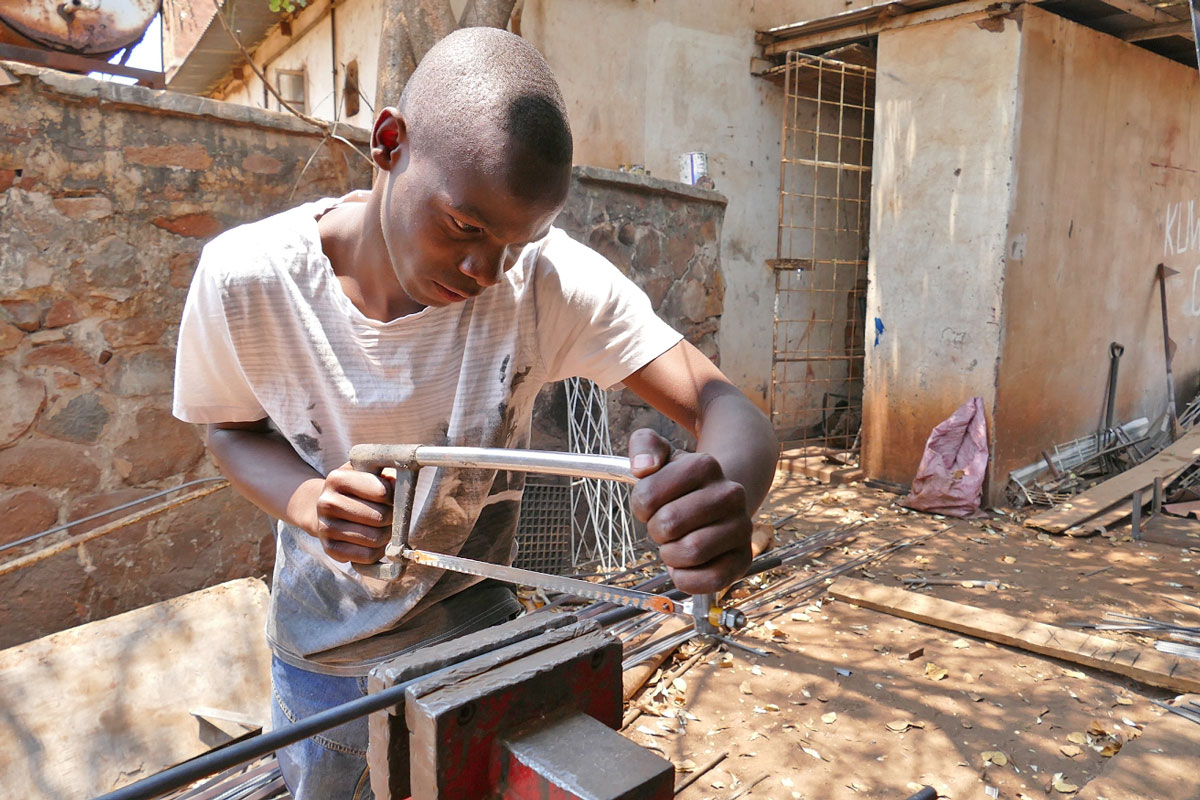
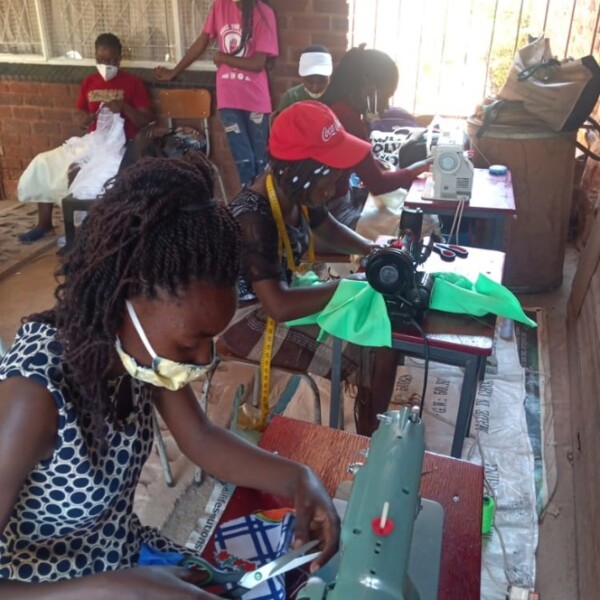
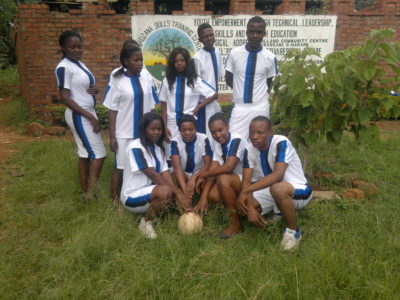
The Kuwadzana Skills Training Centre (KSTC) provides vocational training to unemployed men and women in the township. 60 to 100 young people between the ages of 15 and 30 benefit from training in tailoring’ design & interior decoration, hair styling or welding, as well as preschool teachers and from the professional guidance that empowers them to become economically independent and strengthens them in their daily lives.

Currently

  • Our report for the year 2022 shows: 64 young people graduated 2022 from the KSTC (only available in German).

Education in the township

This centre is a real project from the “community”: Here, structures are not created by an established, specialised NGO, but the teachers and the board create them themselves and grow with the task. This involves many learning processes and a great commitment on the part of the training centre’s supporters for the benefit of the young beneficiaries. The manual training is adapted to the local living situation. With sound pedagogical knowledge, the interests and previous knowledge of the participants are combined with the economic realities (often informal gainful employment). In addition to learning the craft, the acquisition of entrepreneurial skills is an important part of the training. With a focus on micro-enterprise management, the trainees are empowered to become economically independent. In addition, the KSTC offers various courses and workshops on the topics of life and civics, HIV/Aids and gender equality. These give the young people a basis for a self-determined and better future and are open not only to KSTC students but also to young people from outside the township.

Jugendliche Fussballmanschaft
Youth Football Team

Through the workshops, up to 400 young people are reached every year. The mixture of vocational training, orientation and life skills gives the young people a valuable basis for making decisions in a difficult environment that will help them in life and enable them to actively shape society.

The training centre overcame an organisational crisis in 2011/12 and has since developed positively and repeatedly demonstrated its resilience to the difficulties of the economic crisis in Zimbabwe.

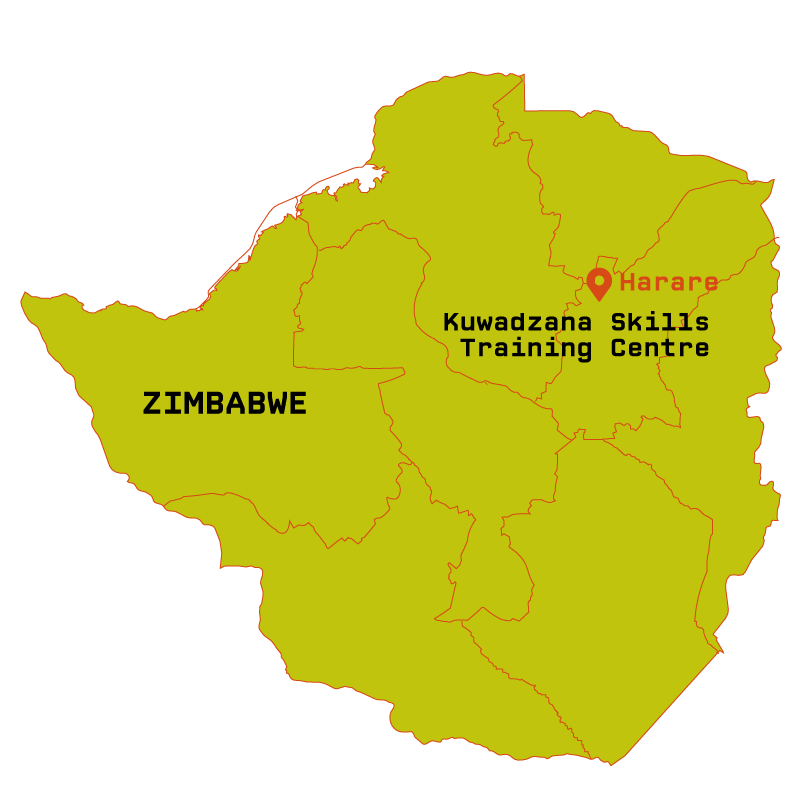
fepa partner organisationKuwadzana Skills Training Centre
LocationKuwadzana in Harare, Zimbabwe
Target groupYouths without completed school or vocational training
fepa contribution 2019CHF 20’000
fepa contribution 2020CHF 27’000
fepa contribution 2021CHF 28’500
fepa contribution 2022> CHF 30’000

With your donation in favour of this project…

…you support young women and men who depend on scholarships to be able to afford vocational training.

Donate for apprenticeships

Further information

  • Photos of the KSTC teams in their homemade clothes can be found in the Training Opportunity Gallery.

Dangwe Arts Pre-School: Right on Early Education for all

Dangwe Arts and Culture Centre

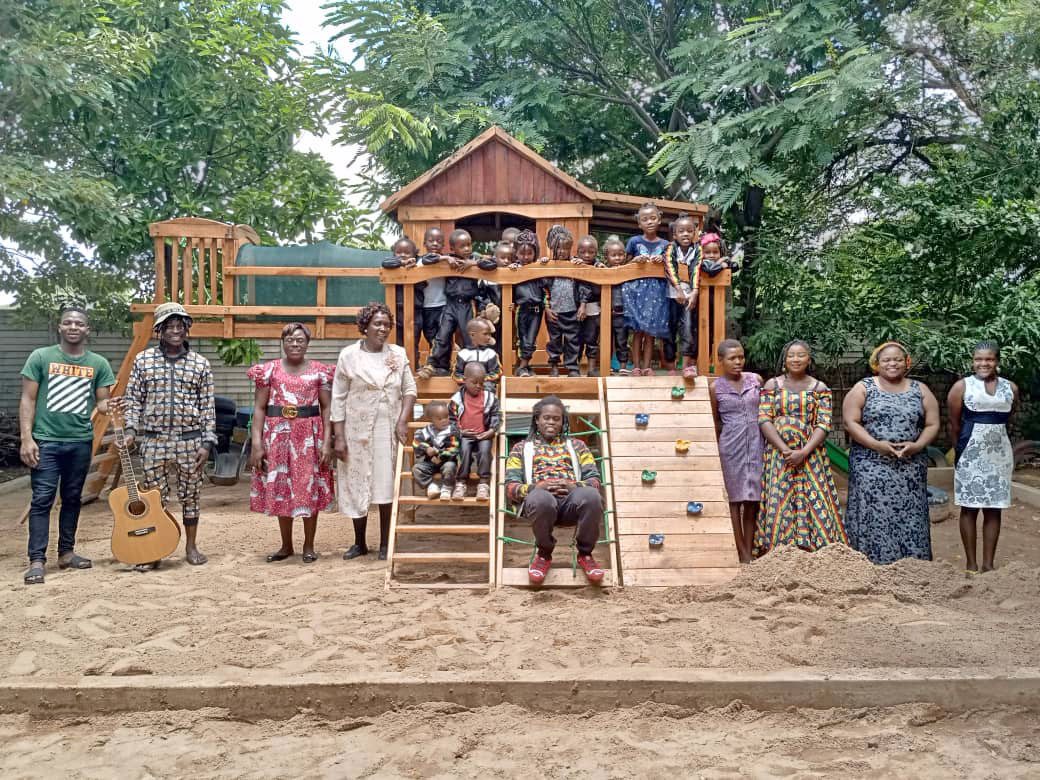
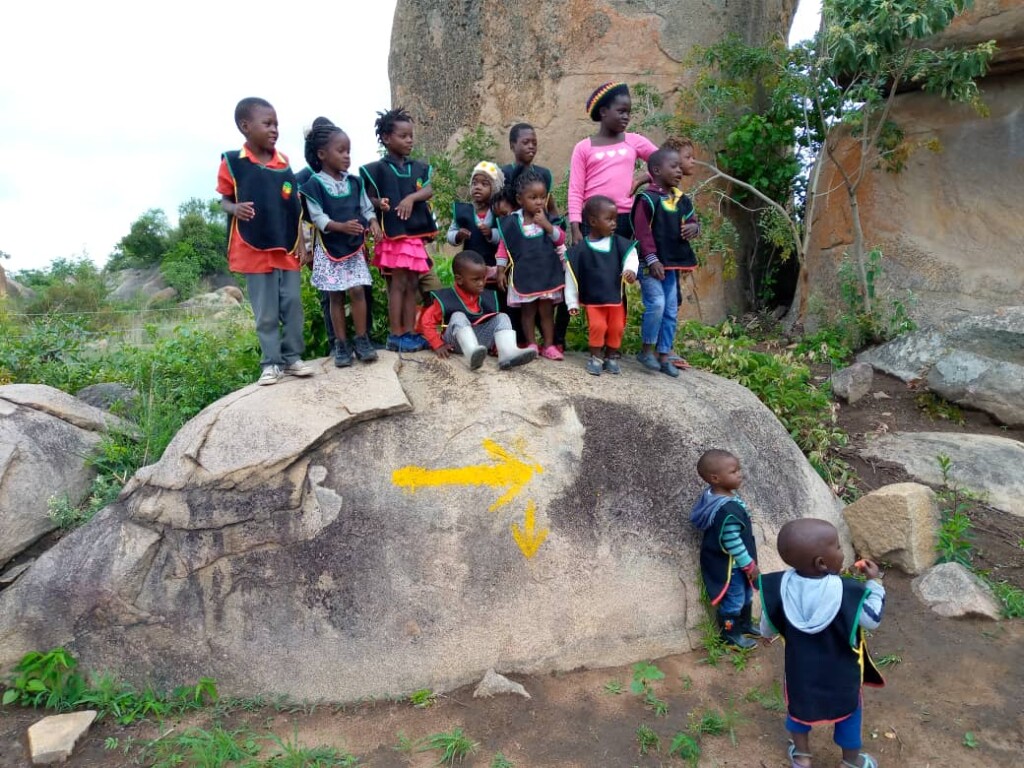
Kinder-Gruppenfoto der Dangwe Vorschule
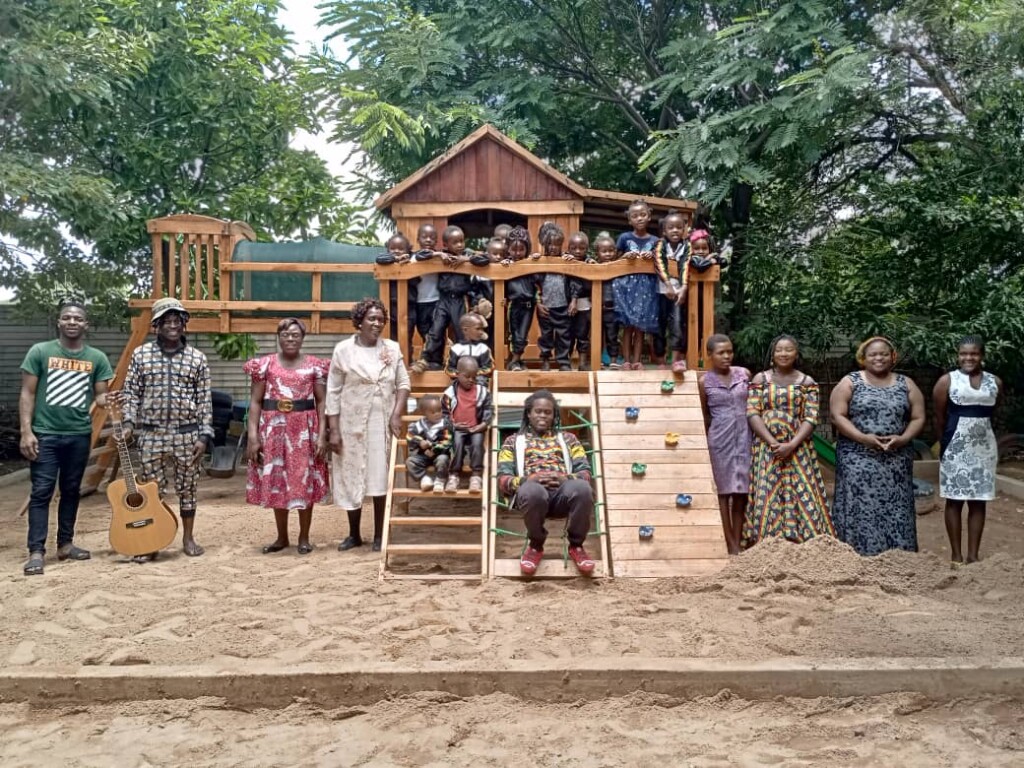
Das hölzerne Spielhaus in der Vorschule von Dangwe mit Kindern und Betreuer:innen aufgereiht und in schönsten vielfarbigen Kleidern

«Let the hungry be fed,
the naked be clothed,
the sick be nourished,
the aged protected,
and the infants be cared for» – Dangwe

Currently

Check out our news page for the latest on this partnership.

Dangwe Pre-School

Since 2018, the Dangwe Arts & Culture Centre has been running an inclusive preschool for 25 children between the ages of 3 and 5. The loving guidance corresponds to the applied Waldorf school pedagogy, whereby all children receive targeted support. The early stages of life form the basis for healthy and personal development for every child. With the Dangwe Preschool, children from low-income and marginalised households are given this access to early education. The members and founders of the Dangwe Art Collective, who drive the preschool, know from their own experience how important it is to grow up in a protected environment. That is why they are still committed to providing this child-friendly care.

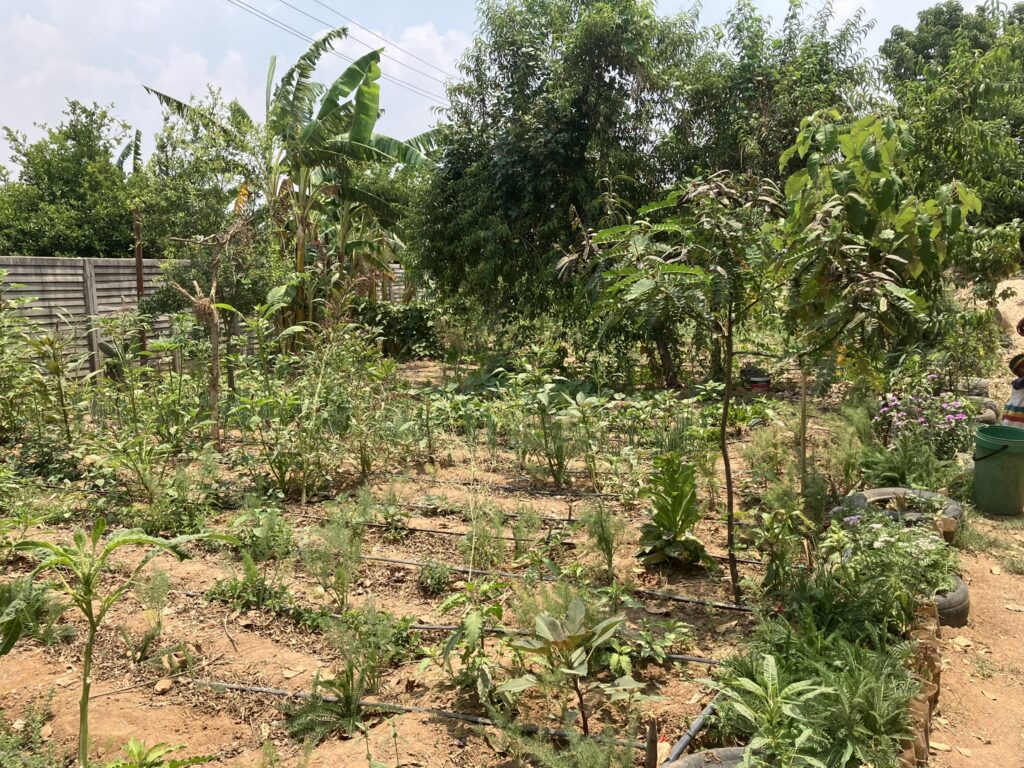
After only four years, the preschool was expanded with its own permaculture garden. Today, the organic cultivation of vegetables and grains enables all pupils and children from the neighbourhood to enjoy a healthy meal. The attached sanitation system provides access to clean water and contributes to reliable and improved livelihoods.

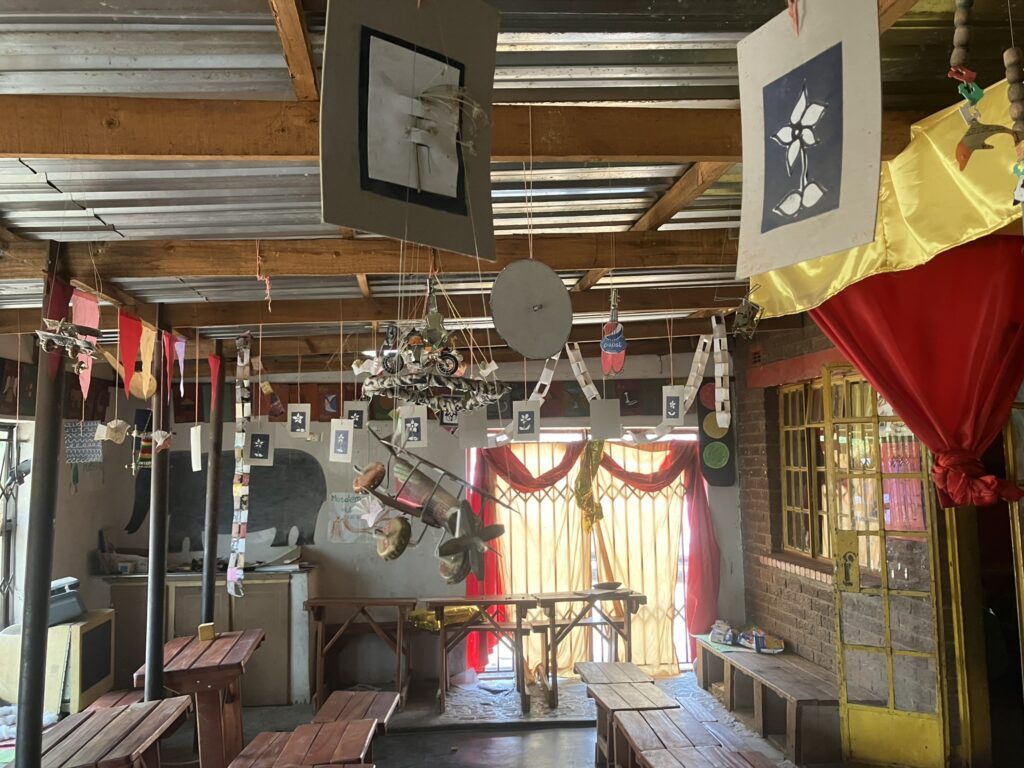
Der Klassenraum der Dangwe Vorschule
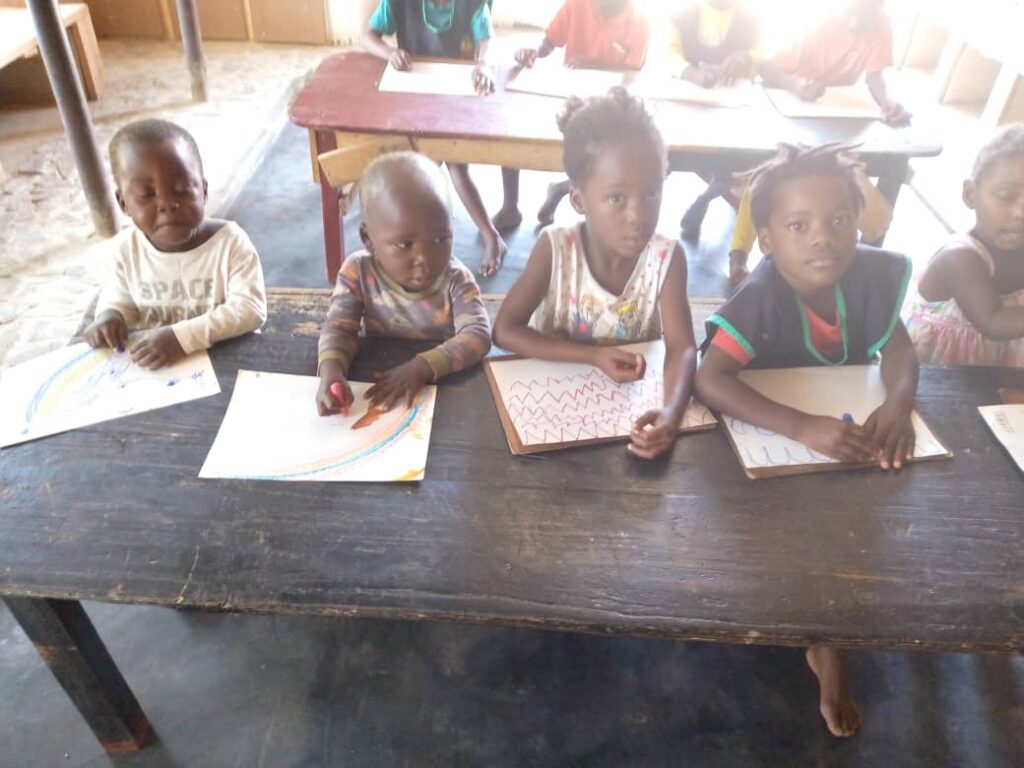
Frühförderung Dangwe Vorschule
Gemüsegarten der Dangwe Vorschule

Dangwe Arts

Arts and crafts as self-help – The story of Dangwe

Dangwe means “first born” in the Shona language of Zimbabwe. In Chitungwiza, one of the largest townships outside the capital Harare, a group of children got together in 1997 to find their way off the streets. The result is today’s Dangwe Arts Collective, a community of 20 children and young adults who earn their living by selling handicrafts, among other things.

Since hardly any tourists come to Zimbabwe any more, it is becoming increasingly difficult for the young artists to find buyers for their products. The majority of the handicrafts are made from recycled materials. fepa supports the sale of Dangwe Arts products in Switzerland for the benefit of the collective.

With fepa’s support, the Dangwe Arts collective has been able to create its own home outside Chitungwiza. Today, the two buildings and the Dangwe Arts pre-school are complemented by a large permaculture garden for self-sufficiency, a chicken coop as well as a sanitary facility and a well for the supply of clean drinking water.

Brief overview on the Dangwe Arts Collective

fepa partner organisationDangwe Arts Collective
LocationChitungwiza, Zimbabwe
Target group(former) street children, children at risk of having to live on the streets, children with disabilities
fepa contribution 2018CHF 6’500
fepa contribution 2019-2021CHF 45’700
fepa contribution 2022CHF 25’000
fepa contribution 2023CHF 25’000
fepa contribution 2024CHF 25’000

Your donation for the Dangwe Arts Collective

Support the Dangwe Arts Collective, which advocates for the right to education and basic services for children from disadvantaged families.

Donate towards the early education of children at Dangwe Arts Preschool.

Farm Workers in the Central Karoo: Overcoming Marginalisation through Self-Help

Farm Workers in the Central Karoo: Overcoming Marginalisation through Self-Help

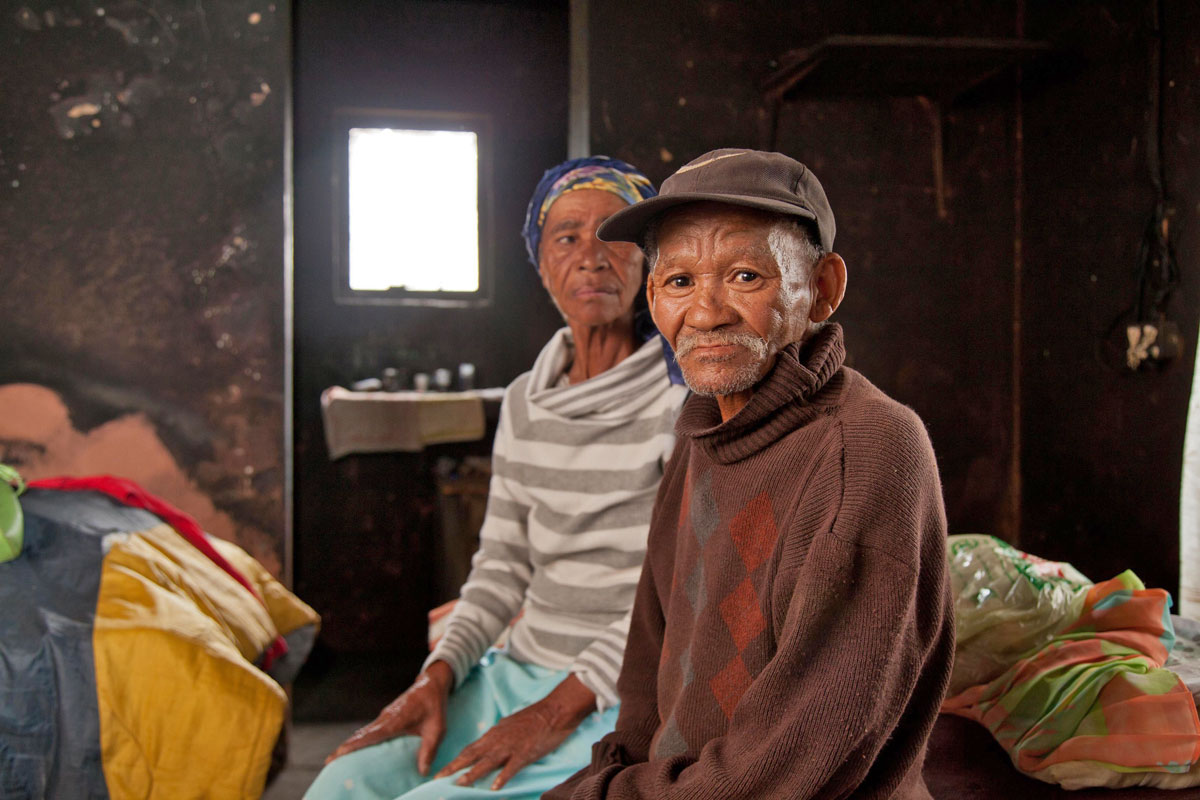
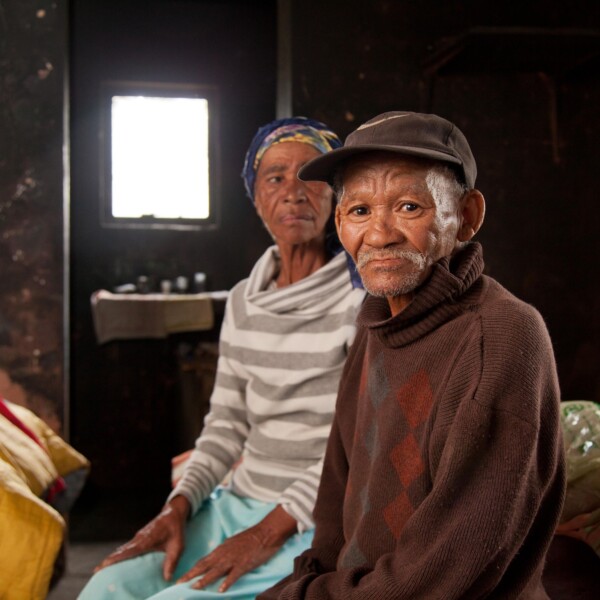
Ein älteres Paar Landarbeiter:innen sitzt im Inneren ihres Hauses. Der Mann schaut uns direkt an. Die Wände scheinen russgeschwärzt, man sieht Armut aber auch Liebe zum Heim.

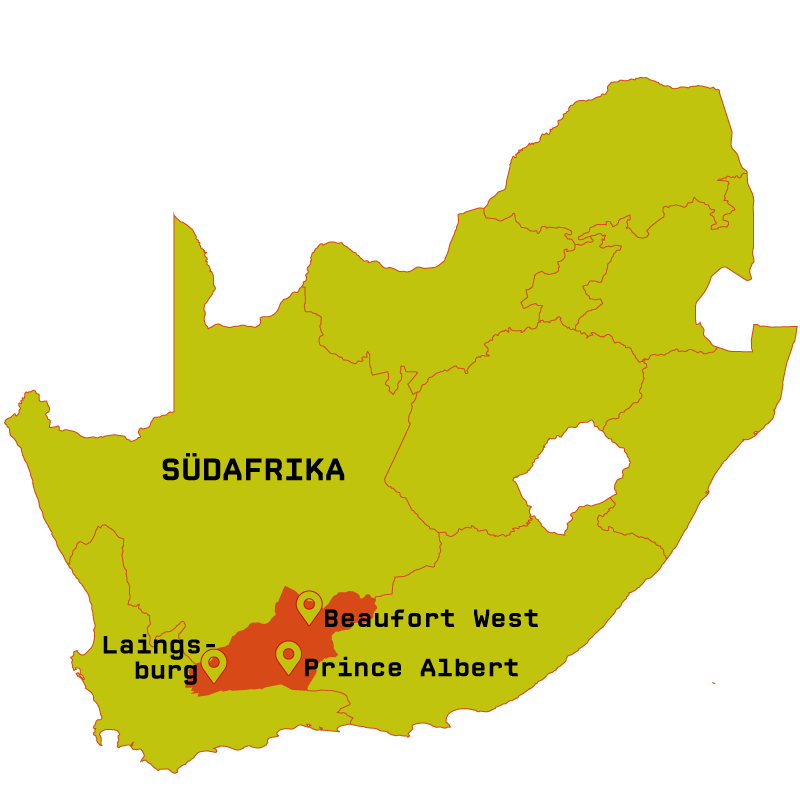
In cooperation with the Centre for Rural Legal Studies (CRLS), we encourage farm workers and their families to stand up for the improvement of their often devastating living and working conditions and to reduce their dependence on the farm owners. To this end, we support the work of the self-help organisation CKFCA.

The Covid pandemic hit the financially poor communities in South Africa hard. This was also true for the CKFCA. Committed people from the CKFCA worked hard as ‘community activists’ for the people in the communities during this time. Unfortunately, the CKFCA also lost its mentor Mzukisi Mooi in the pandemic.

Since the end of the pandemic, young people have played an increasingly important role in CKFCA activities. In 2023, a youth camp was held for the first time, giving over 70 young people a unique opportunity to experience and expand their creative power.

Currently

Check out our news page for the latest on this partnership.

Strengthening farm worker communities

“Nothing more about us, without us” is the slogan of the farm workers’ communities in the central Karoo, which has been formally registered as an organisation since 2013. With this slogan, the farm workers express what they have suffered in the past centuries. The farm workers’ lives take place on the farms and their dependence on their employer is great. Housing rights, access to water, sanitation and schooling, transport and more often depend on the goodwill of the farm owner.

20 years after the end of apartheid, the rights guaranteed in the constitution are not implemented in everyday life. Laws to protect farm workers have been enacted and yet they are not implemented and enforced. Approximately 900,000 farm workers, the majority of them women, are employed in South Africa, mostly on a seasonal basis. They live in geographical isolation and have little access to information. Due to the precarious living conditions, their main concern is to ensure the survival of their families. The project in the Central Karoo has made great progress in recent years. The farm workers are able to raise joint demands and represent them vis-à-vis the authorities and farm owners. In the project, the farm workers identify their problems and jointly defend themselves against their inequalities. In the project, they also discuss important issues such as unjustified evictions from farms, alcohol and drug abuse and keeping a household budget. They use a radio station to draw attention to themselves and inform people about events.

fepa’s partner organisation Centre for Rural Legal Studies (CRLS) in Stellenbosch supports the CKCFA organisation with representatives so that their interests can be heard by the authorities and farm owners. CRLS is also helping with preparations for a campaign for better water supply and sanitation facilities on the farms.

fepa partner organisationCentre for Rural Legal Studies, Stellenbosch and Central Karoo Farmworkers Association
LocationCentral Karoo, South Afrika
Target groupfarm workers and their families
fepa contribution 2019-21CHF 35’000
fepa contribution 2022CHF 12’000 – 15’000
fepa contribution 2023CHF 12’000 plus Youth Camps
fepa contribution 2024CHF 12’000 plus Youth Camps

With your donation for this project…

…you support farm workers and their families that fight for a more dignified life in the Central Karoo.

Donate for living quality

Board of Directors

The fepa Board of Directors

The Board of Directors directs and promotes fepa’s activities, formulates the strategic objectives and annual goals in accordance with a list of duties.

fepa board members work on a voluntary basis. We disclose any vested interests here in accordance with ZEWO Standard 5.

Are you interested in becoming a member? Feel free to send us an e-mail.

Susanne Zurbuchen

Horgen

Susanne Zurbuchen has been a member of the fepa board since the eighties, and has been co-president since 2022. Her commitment to Africa goes back to her student years. A study trip to Tanzania with a stay in one of the Ujamaa villages made her wish to live there for a longer period. Sent by Mission 21, she stayed in rural Tanzania from 1978 to 1981in close contact with the local women, whose energy and autonomy she admires. She takes a keen interest in the path of the states of East and Southern Africa out of colonial dependencies. As a Secondary School teacher of English and history, Susanne has brought Africa, its history and its resilience, closer to her students. She is also interested in languages, literature and culture in general. She still practices Swahili by reading and discussing novels with other lovers of this language.

Helena Zweifel

Zürich

Ethnologist, former Managin Director of Medicus Mundi
Co-President since 2022, Board Member since 2014

Helena Zweifel is a specialist and consultant on development issues, especially in the health sector. She worked for the SDC in India.

Katharina Morello

Horgen

Pastor and writer
Board member since 2021

Katharina Morello lived with her family in Zimbabwe from 2001 to 2002. Since then, she undertook various project and research trips in South Africa and Zimbabwe, resulting in books and short stories.

Katharina Morello is also involved in the autonomous school of Zürich and is president of its supporting association Bildung für Alle (Education for All).

Barbara Müller

Basel

From 1990 to 2015, Barbara served as the executive director of fepa, and since 2015, she has been a member of the board. However, her heart has long been devoted to Africa. Since the 1970s, she has been an activist for southern Africa. She believes in Africa’s future and its young, dynamic population and wants to help overcome the still-colonial relationships with our part of the world. The friendships she has formed through this engagement are especially important to her. For a long time, she has followed the political and social developments in Zimbabwe with great interest. Additionally, she is fascinated by African literature and art. Despite her commitments, she always finds time to enjoy outdoor activities, whether it’s walking, swimming, or cycling.

Contact Barbara via e-mail

Mickness Mshana-Aeschlimann

Bern

Mickness was born and raised in Tanzania and has been living in Switzerland since 2016. She joined the board of fepa in 2021, following the start of her fundraising career in 2019, when she helped fepa raise funds for an economic project supporting rural women in Zimbabwe. This experience highlighted her ability to raise funds for causes she is passionate about, particularly in Africa. Since then, she has been a dedicated and passionate fundraising consultant, specializing in empowering non-profit organizations across Africa, Europe, and North America. With a blend of strategic thinking and a heart for impactful causes, she thrives on turning fundraising visions into reality. When she’s not busy raising funds, you can find her reading, video-calling her family in Tanzania, teaching Swahili to her multilingual son, or enjoying karaoke with her husband and friends.

Get in touch with Mickness via LinkedIn or her Website.

Rita Kesselring

St. Gallen

Rita Kesselring has been a board member since 2012, having interned with fepa a few years earlier. Her connection to fepa began during her studies in social anthropology at the universities of Zurich and Cape Town, where she focused on South Africa for her thesis. Ever since, she combines her academic work with her commitment to fepa. After earning her PhD from the University of Basel, for which she spent two years of research on apartheid victims in South Africa, she moved to Zambia to write her habilitation thesis on life in a new mining town. Throughout her career, she has been dedicated to highlighting the connections between Southern Africa and Switzerland, both during the apartheid era and today, as Switzerland is a major hub for commodity trading. Since 2022, she has served as a professor at the University of St. Gallen. Her years in Southern Africa have also been a personal journey, confronting issues of privilege and commonality. Rita likes to read widely, to run, preferably in forests, and to swim in lakes across the globe.

Contact Rita via LinkedIn

Roger Morgenthaler

Bern

Roger Morgenthaler has been a board member of fepa since 2018. During his studies in Environmental Engineering, he spent four months in 2016 with fepa’s partner organization, Participatory Organic Research & Extension Training Trust (Poret) in Zimbabwe, where he collaborated with local farmers to develop low-budget drip irrigation systems. Upon returning to Switzerland, Roger connected with fepa, initially serving as a consultant on agroecology before becoming a board member. During an extensive journey through Central and South America, Roger gained valuable insights into the challenges faced by countries in the Global South, which continue to shape his commitment to fepa’s mission. Professionally, Roger specializes in environmental construction supervision and soil management oversight. He is also an active volunteer leader for nature conservation projects with WWF Bern. Roger lives in Bern, where he enjoys spending his free time with his family or cycling.

Christian Noetzli

Zürich

Christian has been on the board of fepa since 2021. He has had a deep connection with the Southern Hemisphere for decades, whether through his work in the environmental and natural sciences (in Colombia, Zimbabwe, Bolivia, Côte d’Ivoire, and Ghana) or through his commitment to education, where he raises awareness among students about the impact of colonialism and post-colonialism in Africa and Europe. Various visits with friends and acquaintances in southern Africa and other parts of the world keep him informed about the challenges and developments of different nations as they navigate the 21st century. In many places, he witnessed more “renewal” and “hope” among young people than he had expected – qualities and trends that fepa has long been committed to fostering and supporting. Amidst all this engagement, he still finds time for hiking in the mountains, climbing, or cycling trips to remote corners of Switzerland.

Silvia Schönenberger

Bern

Silvia joined fepa as an intern in 2009 and has been an active member of the board since 2012. Since her youth, her heart has beating for Southern Africa. After studying ethnology, she worked in the fields of migration, human rights and in particular indigenous rights, in research, in administration and in non-governmental organisations. During several extended stays abroad, she gained unforgettable experiences and was able to look beyond her own horizon. She was able to realise her passion for documentary films with a Master’s study programme in Chile. She also enjoys photography and loves travelling with family and friends. A visit to the partner organisations in Zimbabwe made her realise how empowering it is to support civil society engagement on the ground, where so much heart and soul is invested. Supporting people in their initiatives for a better life and social justice motivates her commitment to fepa. 
SDG Agenda 2030

SDG Agenda 2030

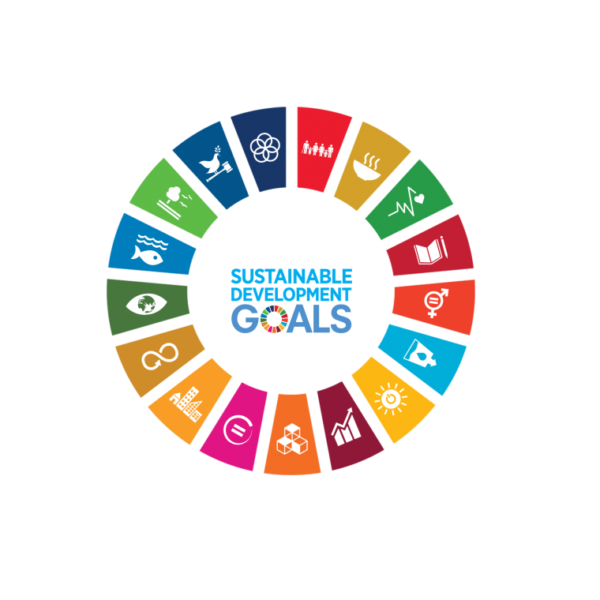
fepa is committed to and within the framework of the UN Sustainable Development Goals (Agenda2030; SDG). These goals do not only concern the South, where we contribute to the achievement of various goals through our partnership projects. In Switzerland, too, there are important levers for sustainable development at the global level: in climate protection, we must not continue our hit-and-run. And in matters of tax avoidance and investment policy, our domestic, economic and location policies must analyse the impact on sustainability – taking into account that people in the global South have rights that must determine our actions.

Information on Swiss civil society perspectives and commitments to the Sustainable Development Goals can be found here:

The role of civil society

The Sustainable Development Goals envisage an active role for civil society. Indeed, it is impossible to imagine how sustainable development would be possible without the participation of civil society. It is all the more worrying when the space for civil society engagement is restricted. That is why fepa is committed to civil society in the countries where we are active.